PERELMAN PERFORMING ARTS CENTER AT THE WORLD TRADE CENTER (PAC NYC)
New York, New York
AWARDS American Institute of Architects New York (AIA NY), Honor Award, 2024; Architizer, A+ Awards, Popular Choice Winner, 2024; Illuminating Engineering Society, Illumination Award of Distinction, 2024; International Design Awards, Building of the Year, 2024; Mies Crown Hall Americas Prize (MCHAP), Outstanding Project, 2024; National Council of Structural Engineers Associations (NCSEA), Project of the Year, 2024; Structural Engineers Association of Illinois (SEAOI), Juror’s Favorite/Most Innovative Structure, 2024; Architectural Record, Top 10 Projects, 2023; Dezeen, Top Ten Architecture Projects, 2023; The New York Times, Most Glamorous Civic Building in New York, 2023; The Wall Street Journal, The Best Architecture of the Year, 2023; Society of American Registered Architects New York (SARA NY), Special Award for Innovation in Cultural Architecture, 2022; The Chicago Athenaeum Museum of Architecture & Design, The American Architecture Award, 2021; Architizer, A+ Awards, Jury Winner, 2019; Architecture Podium, International Architecture Awards, Second Prize, 2018; German Design Award, Special Mention, 2018; Architect, Progressive Architecture (P/A) Award, 2017; The Architect’s Newspaper, Best of Design Awards, Best of Design, 2017; World Architecture News, WAN Awards, Shortlist, 2016
CLIENT Perelman Performing Arts Center at the World Trade Center (PAC NYC)
PROGRAM Performing arts center, including three auditoria (nominally 450-, 250-, and 99-person) which can combine to form seven additional room proportions, all ten of which can collectively adopt more than 65 stage-audience configurations (ranging from 50 to 950 seats); flexible front- and back-of-house circulation that can create diverse patron entry/intermission/exit processions; and performer support spaces, rehearsal room, and restaurant/bar
AREA 12,000 m² (129,000 sf)
SUSTAINABILITY LEED Silver
COST US$423 million
STATUS Invited competition, first prize 2014; completed 2023
DESIGN ARCHITECT REX
PERSONNEL Dylan Bachar, Wanjiao Chen, Adam Chizmar (PL), Maur Dessauvage (PL), Nazli Ergani, Alysen Hiller Fiore (PL), Sebastian Hofmeister, James Killeavy, Claire Kuang, Kirby Liu, Weronika Marciniak, Joshua Ramus, Raul Rodriguez, Emma Silverblatt, John Sng, Vaidotas Vaiciulis, Xuancheng Zhu
COMPETITION TEAM Giannantonio Bongiorno, Adam Chizmar (PL), Alberto Cumerlato, Mahasti Fakourbayat, Alysen Hiller Fiore (PL), Gabriel Jewell-Vitale, Min Kim, Dominyka Mineikyte, Elizabeth Nichols, Joshua Ramus, Raúl Rodríguez García, Michal Sapko, Emma Silverblatt, Elina Spruza Chizmar, Michele Tonizzo, Vaidotas Vaiciulis, Michael Volk, Cristina Webb
EXECUTIVE ARCHITECT Davis Brody Bond
CONSULTANTS Arup, Atelier Ten, CCI, Charcoalblue, Cost Plus, Ducibella Venter & Santore, Entro, Front, Jaros Baum & Bolles, Jenkins & Huntington, Magnusson Klemencic, Rockwell Group, RWDI, Silman, Thornton Tomasetti / Weidlinger, Threshold, Tillotson, Wilson Ihrig
CONTRACTOR Sciame
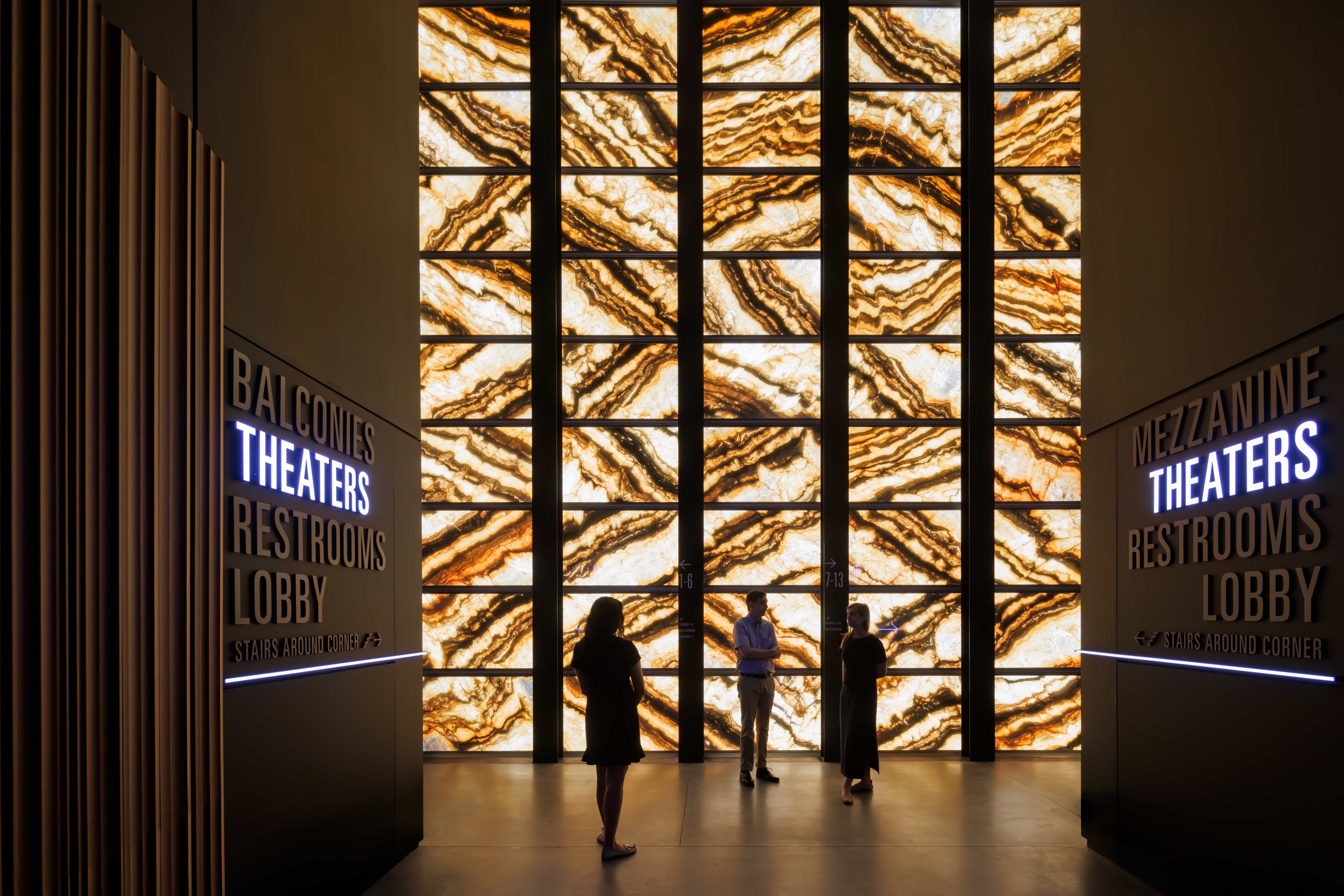
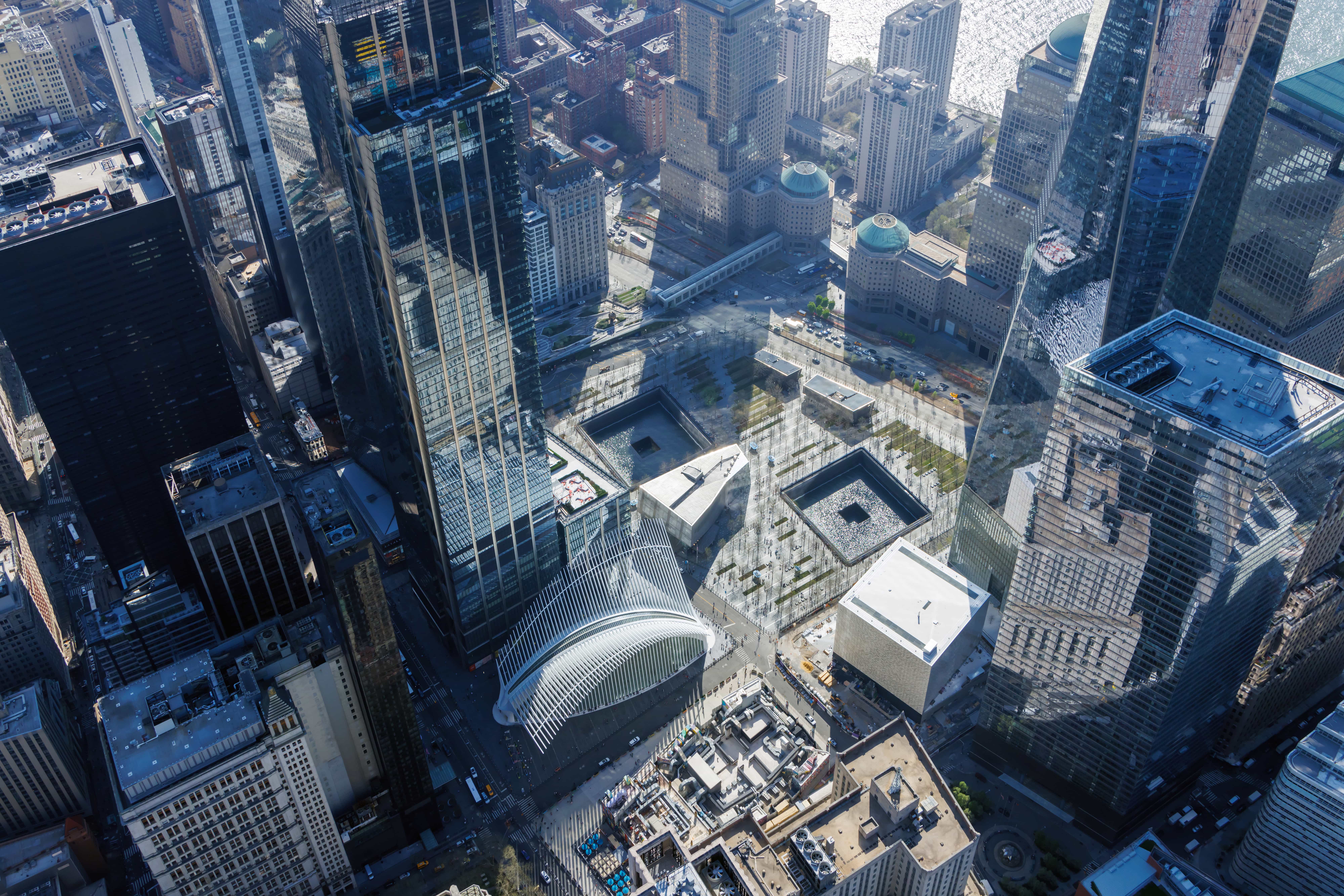
Embracing the restorative power of art, the Perelman Performing Arts Center at the World Trade Center (PAC NYC) is the cultural keystone and final public element in the World Trade Center master plan.
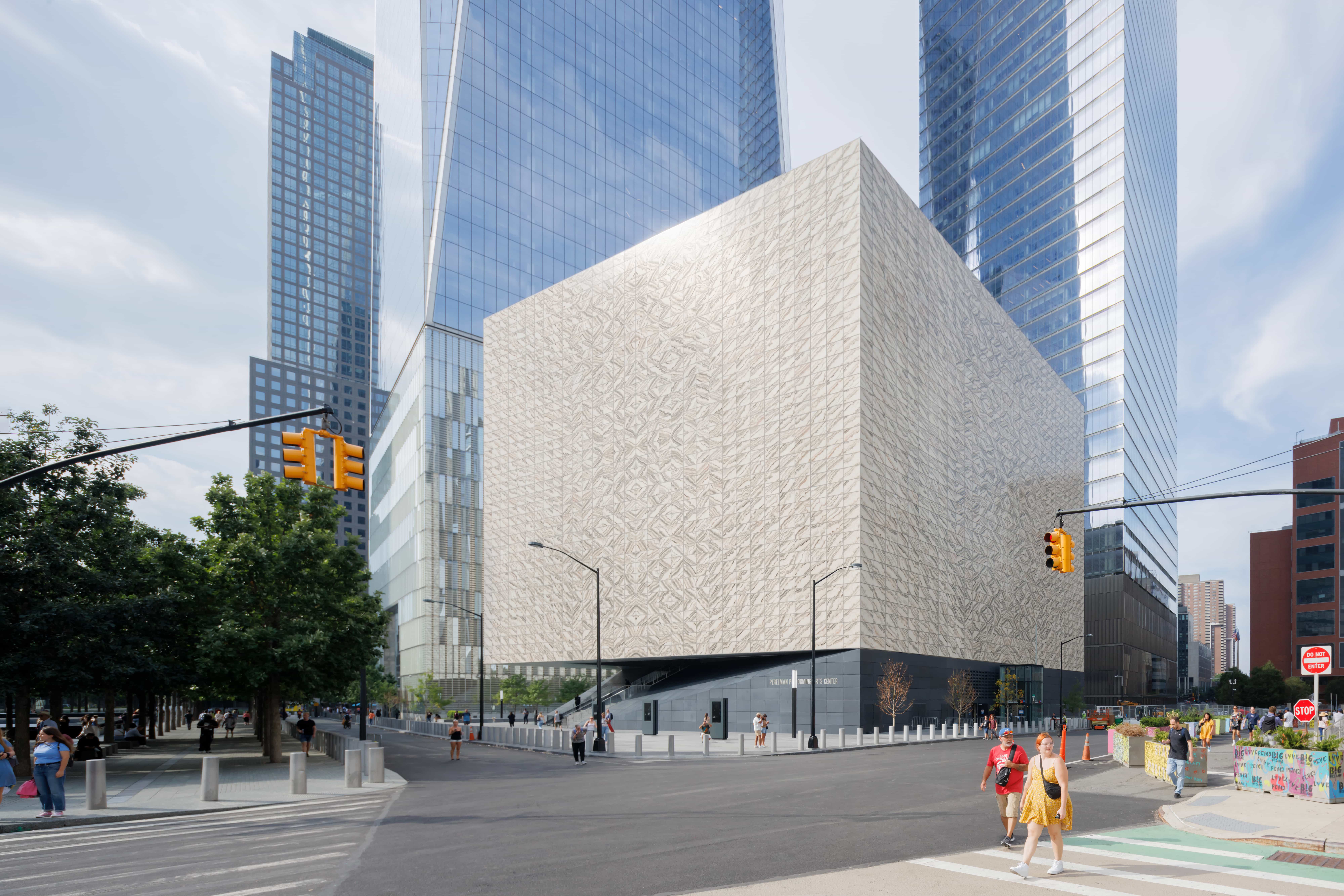
A producing house for music, theater, dance, opera, and film, PAC NYC pioneers new forms of theatrical adaptability to amplify the creativity of its artists, and surprise patrons with new arrival and viewing experiences upon each visit.
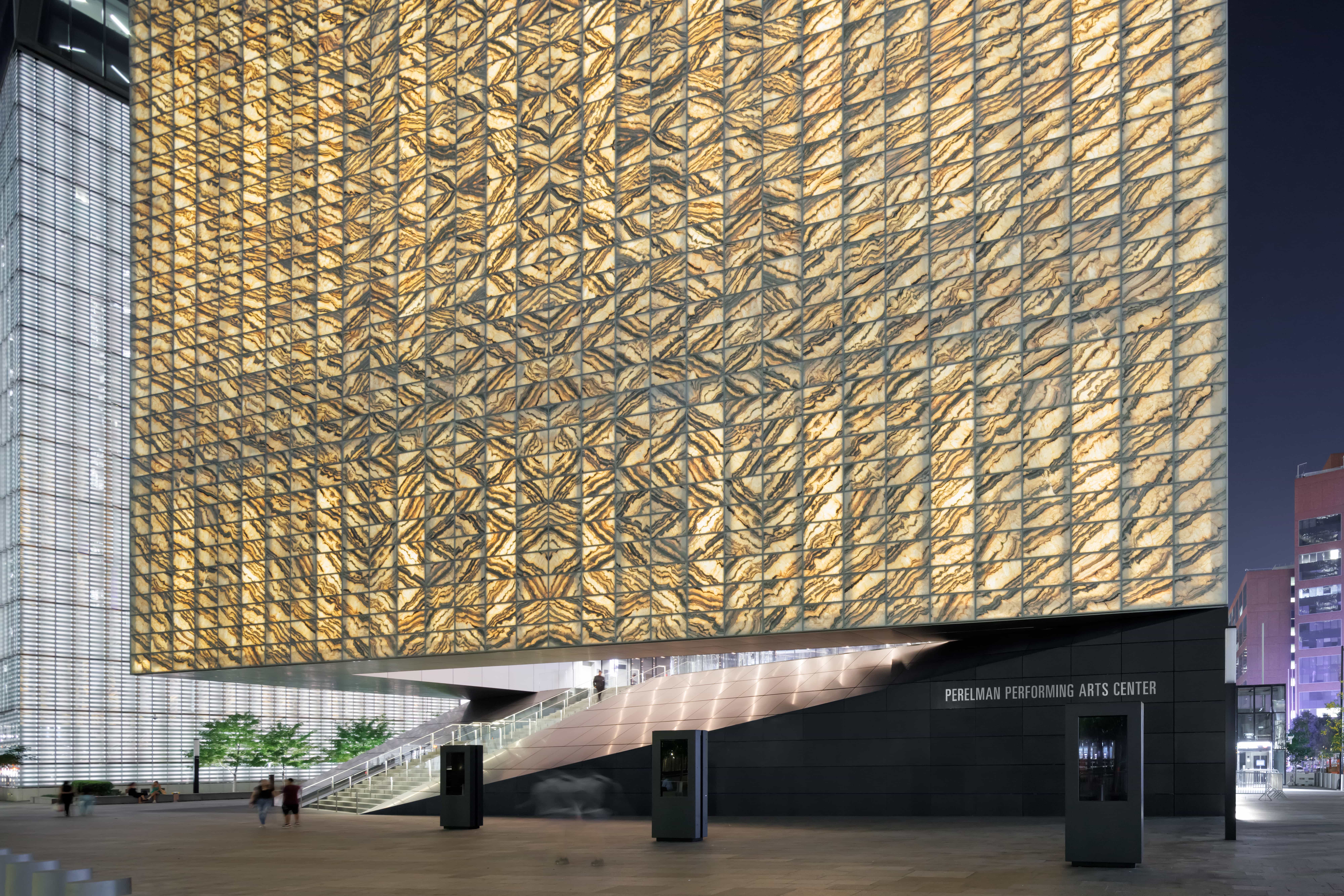
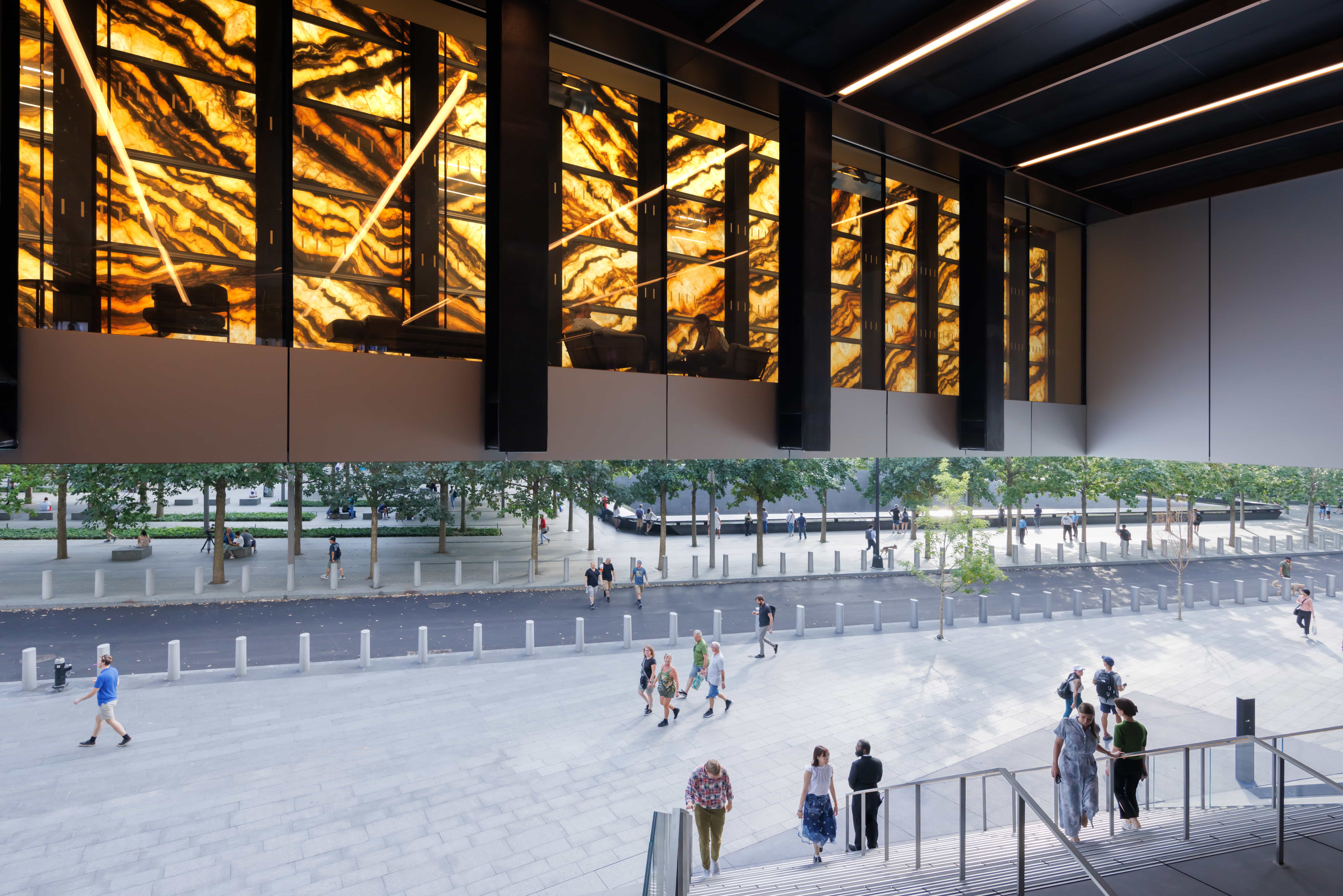
The building’s pure form—rotated and elevated to accommodate complex below-grade constraints—is wrapped in translucent marble. By day, the volume is an elegant, bookmatched stone edifice acknowledging the solemnity of its context.
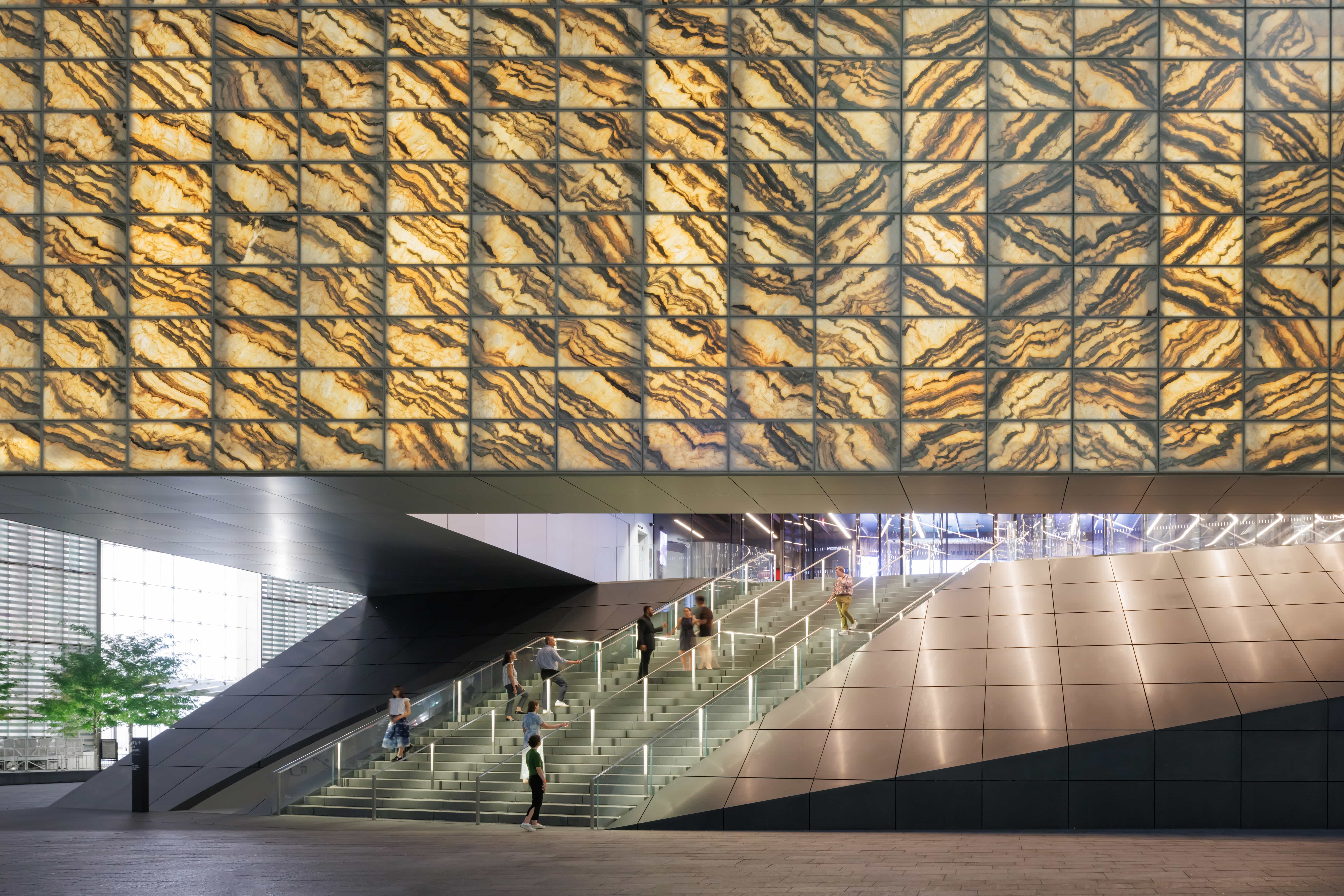
By night, this monolith dematerializes, subtly revealing the creative energy inside.
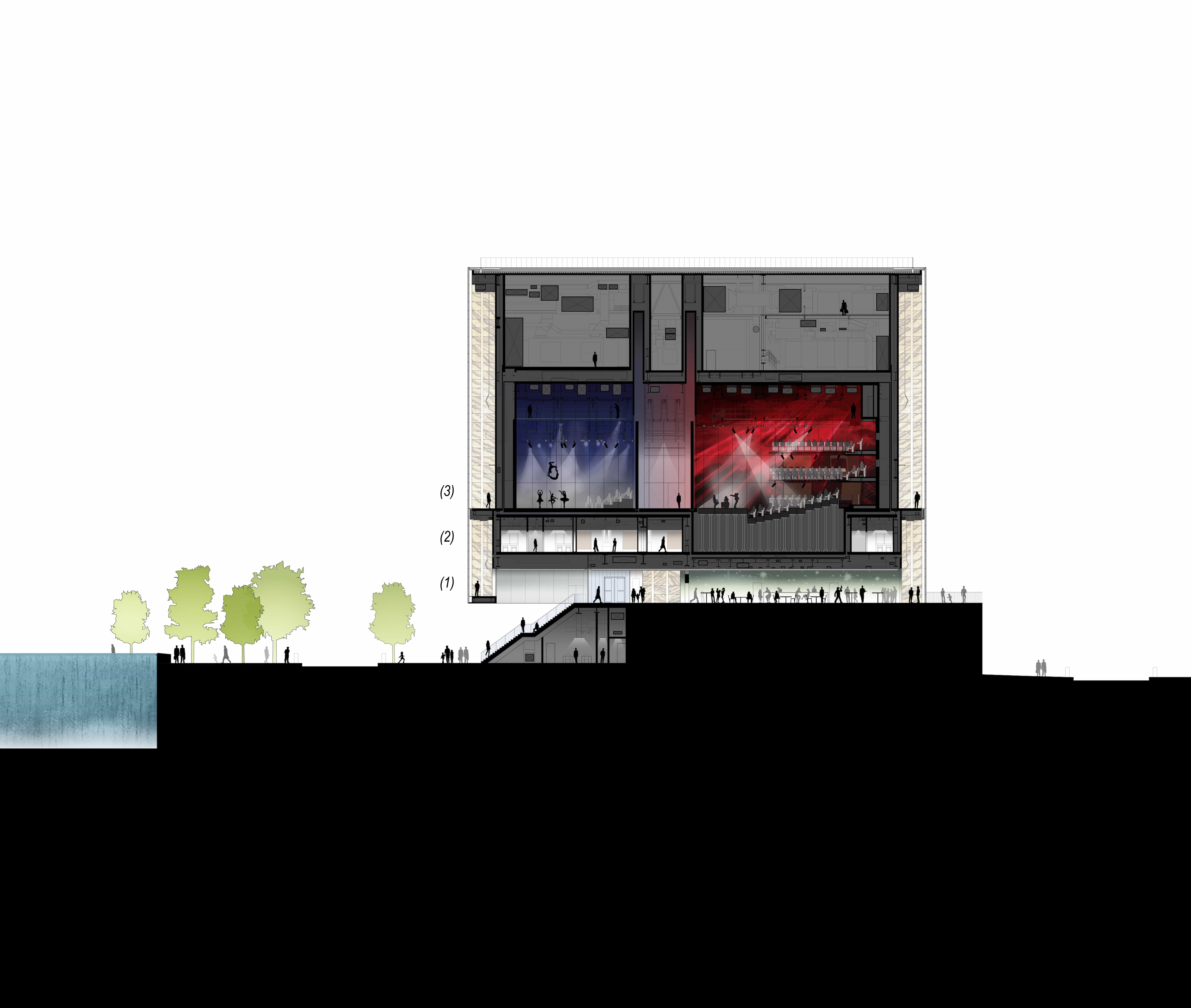
To accommodate its program on the tight, complex site, PAC NYC is organized into three main levels, with the layout of the performance spaces driving the design.
The Public Level (1), entered first, presents a “living room” for Lower Manhattan, with a lobby stage for free programming and a restaurant, bar, and terrace.
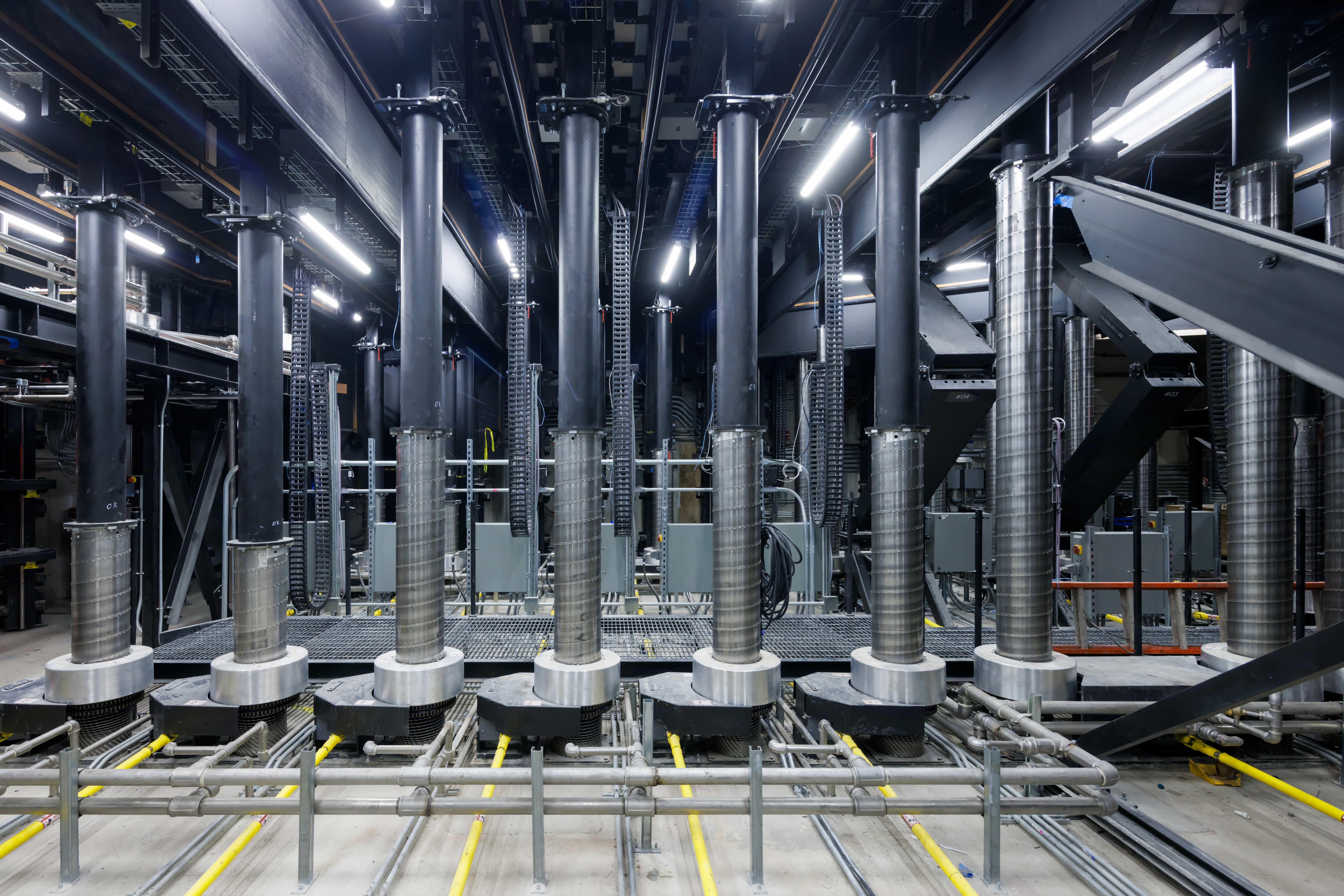
Above, the Artists Level (2) contains all artist support areas—such as dressing rooms, costume shop, and green room—and the “trap” whose mechanical lifts transform the theaters’ floor on the third level.
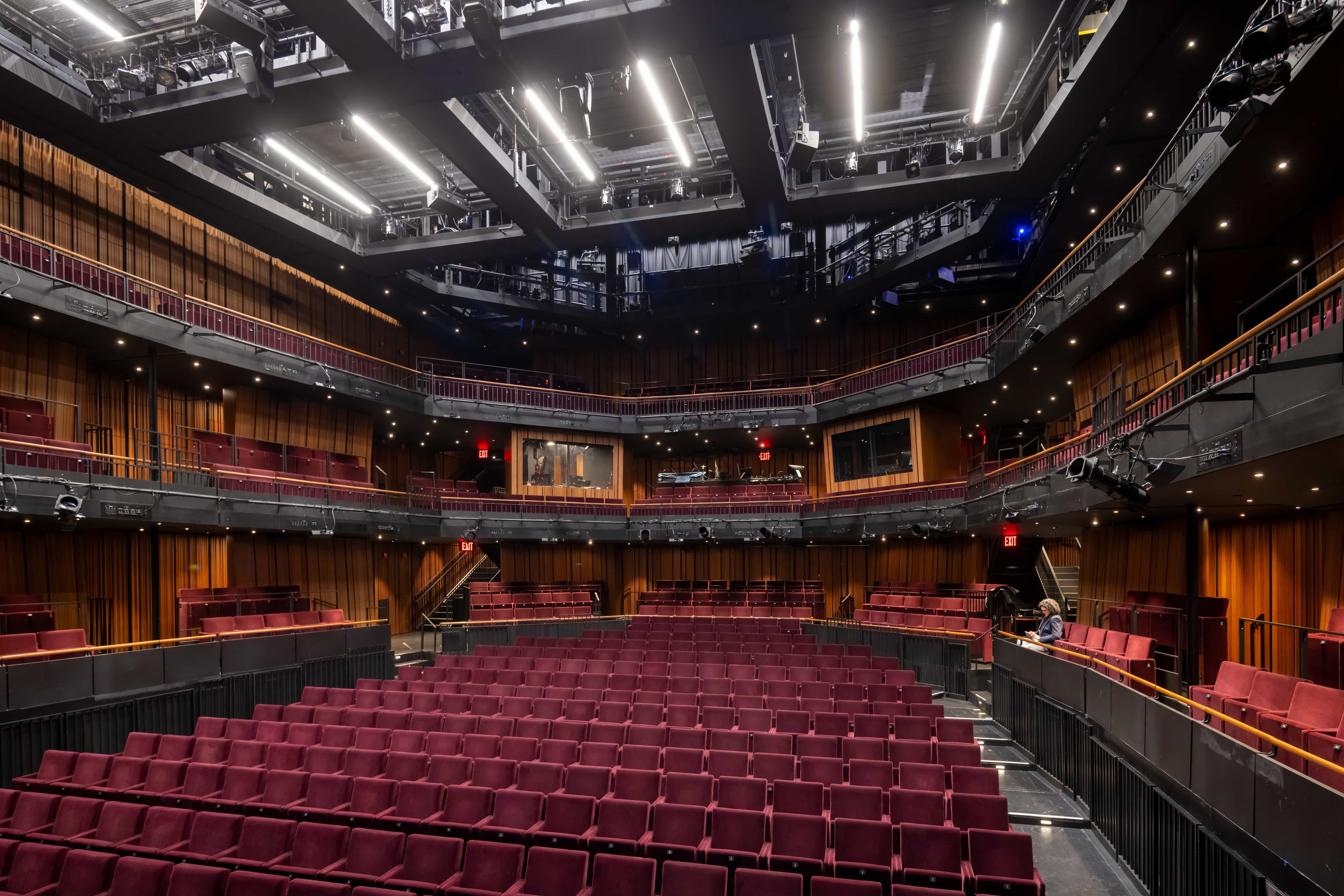
Lastly, the Theater Level (3) provides three performance spaces—the Zuccotti (450 seats), the Nichols (250 seats), and the Duke (99 seats)—as well as two scene docks, two scene assemblies, and a rehearsal room.
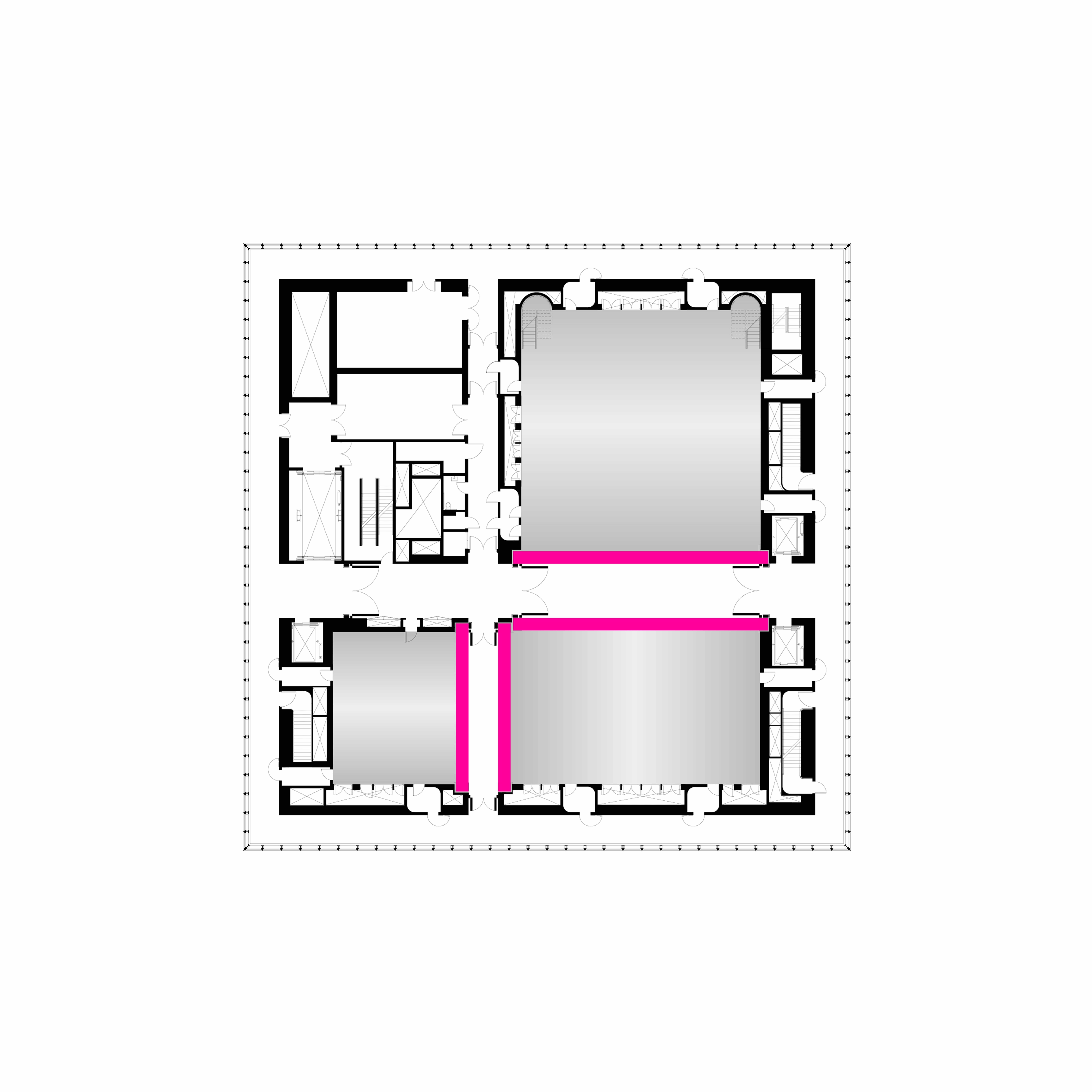
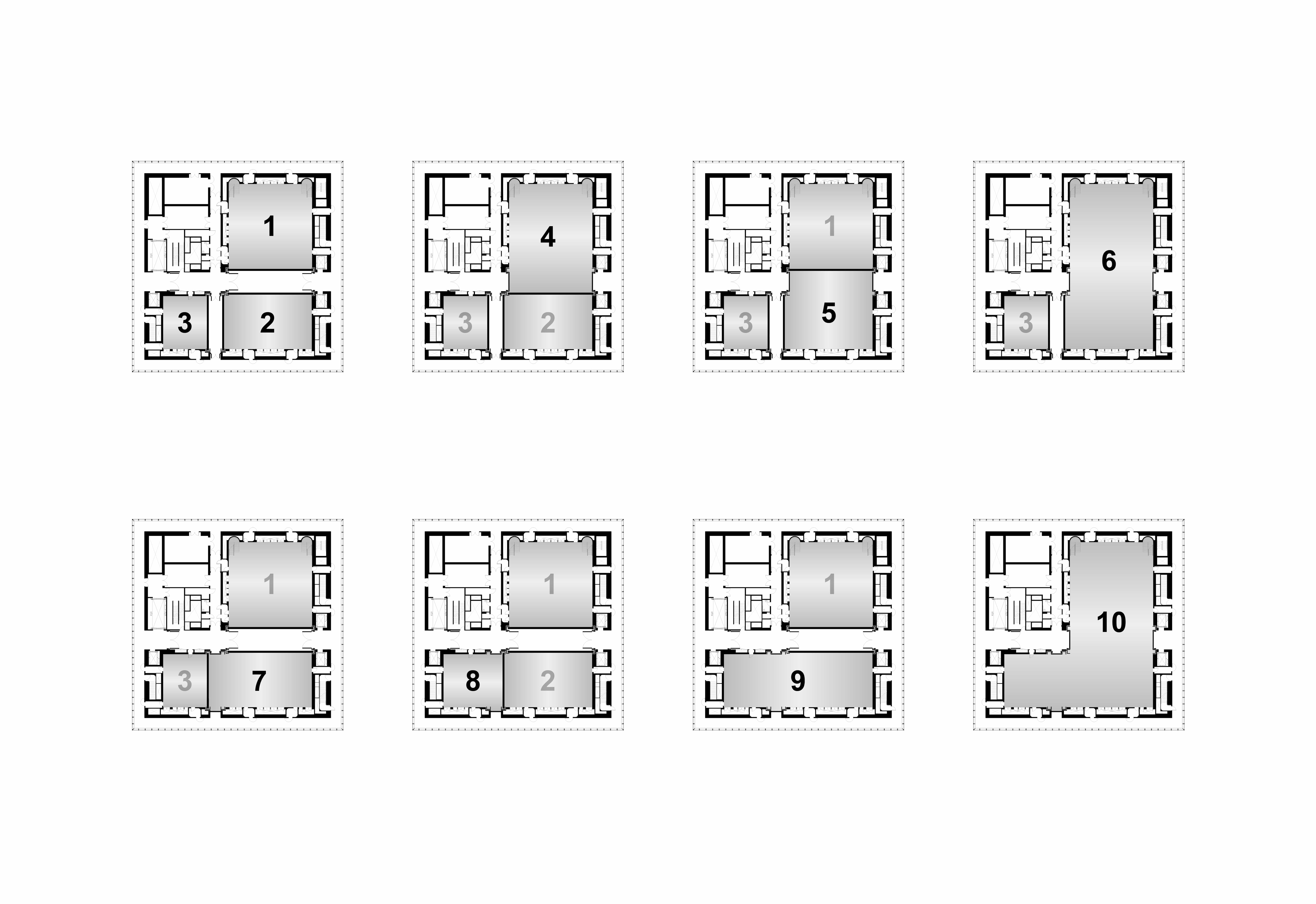
The theaters and scene docks can combine into 10 proportions and transform into 65 stage-audience arrangements, ranging from 50 to 950 seats. Creative teams can transmute the spaces to fulfill their desired artistic expressions and audience experiences using a toolkit of automated and manual systems, including: four massive acoustic “guillotine” walls (in magenta above); four movable seating towers (enabling a range of stage formats, such as courtyard, horseshoe, theater-in-the-round, and thrust); a two-tiered system of catwalks and walkable grids; 56 “spiralifts” that allow the theaters’ floor to adopt manifold geometries; and a set of removable catwalks and demountable audience balconies.
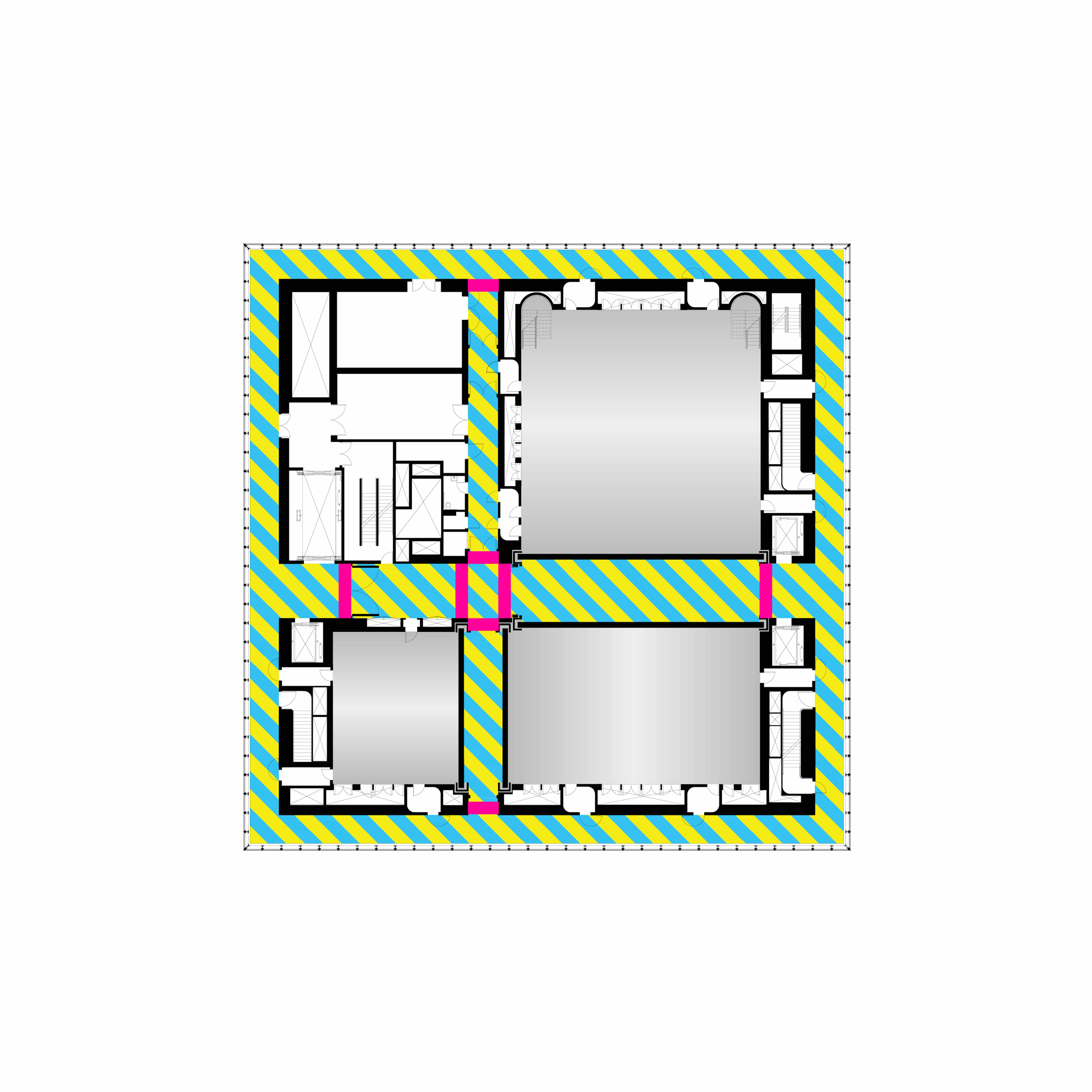
Directors can further choreograph the audience’s entire experience through a zone of mutability around the theaters (in yellow and blue stripes above). Eight acoustic doors (in magenta above) between the scene docks, the scene assemblies, and a circulation loop at the Theater Level’s periphery allow any of these areas to be apportioned as front- or back-of-house, and to form unexpected lobbies and performance antechambers. Four elevator/stair couplets can be used individually or in combination, creating unexpected lobby access sequences. As a result, the Theater Level is a constant source of surprise for patrons, a “mystery box” whose experiences are scripted entirely by each director’s imagination.
“The flexibility of the theater spaces is astonishing. Artists have been over the moon about their ability to create the audience/performer relationship to match their artistic vision, instead of the usual limitation of having to fit into the givens of the space. We have already produced music, dance, opera, theater, and musical theater, and the variety of configurations has served each distinct genre with rousing success, also allowing us to select an audience capacity that matches the work—from an 80-seat chamber theater to a 400-seat in-the-round arena to a 630-seat concert hall. We’ve received rave reviews from artists and audiences alike for the stellar acoustics that also adapt to each configuration (“Vastly better than any hall I’ve ever performed in, including Carnegie Hall,” tweeted one Broadway star).” – Bill Rauch, Artistic Director, PAC NYC
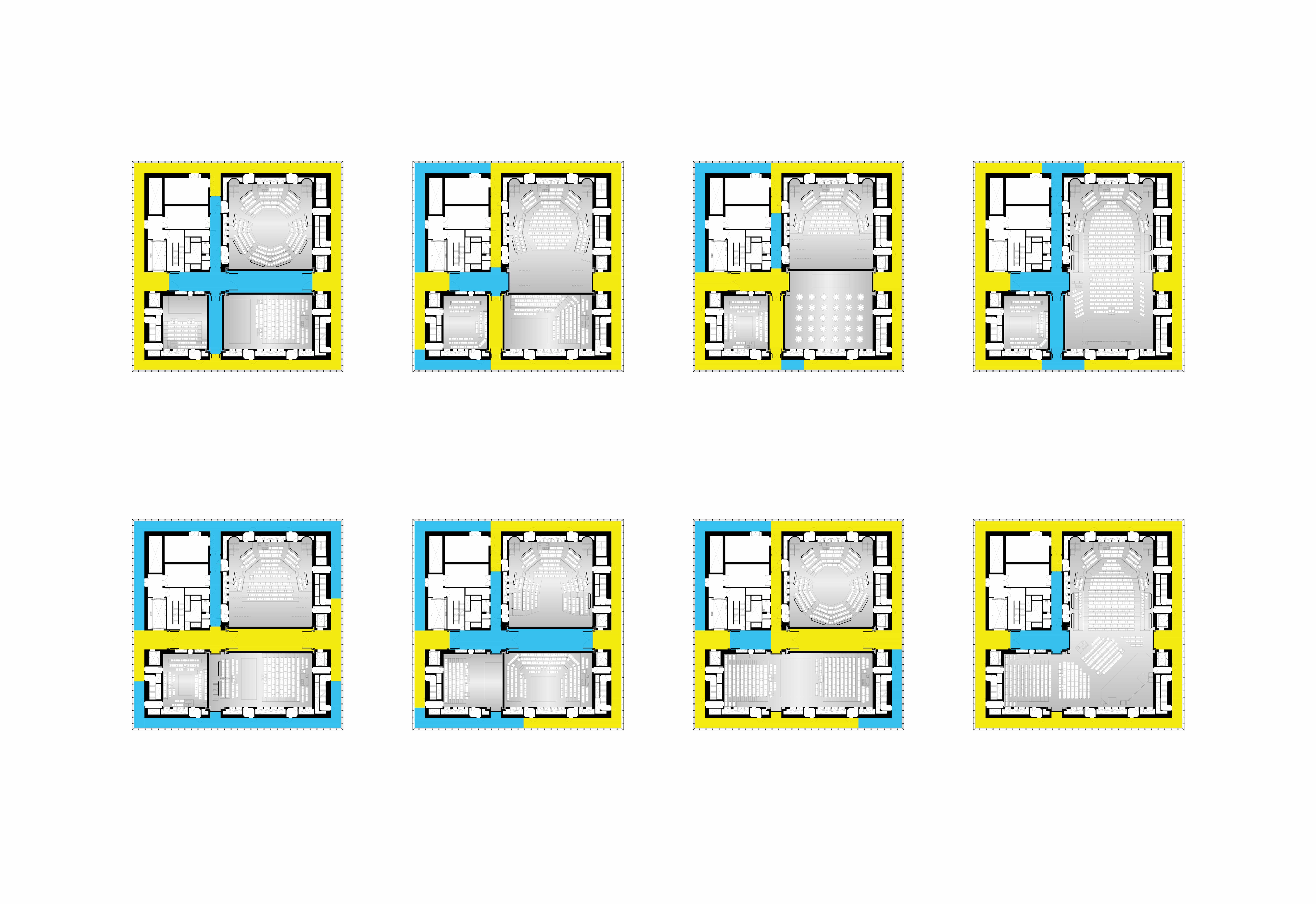
65 stage-audience configurations and tailored circulation (yellow = front-of-house, blue = back-of-house)
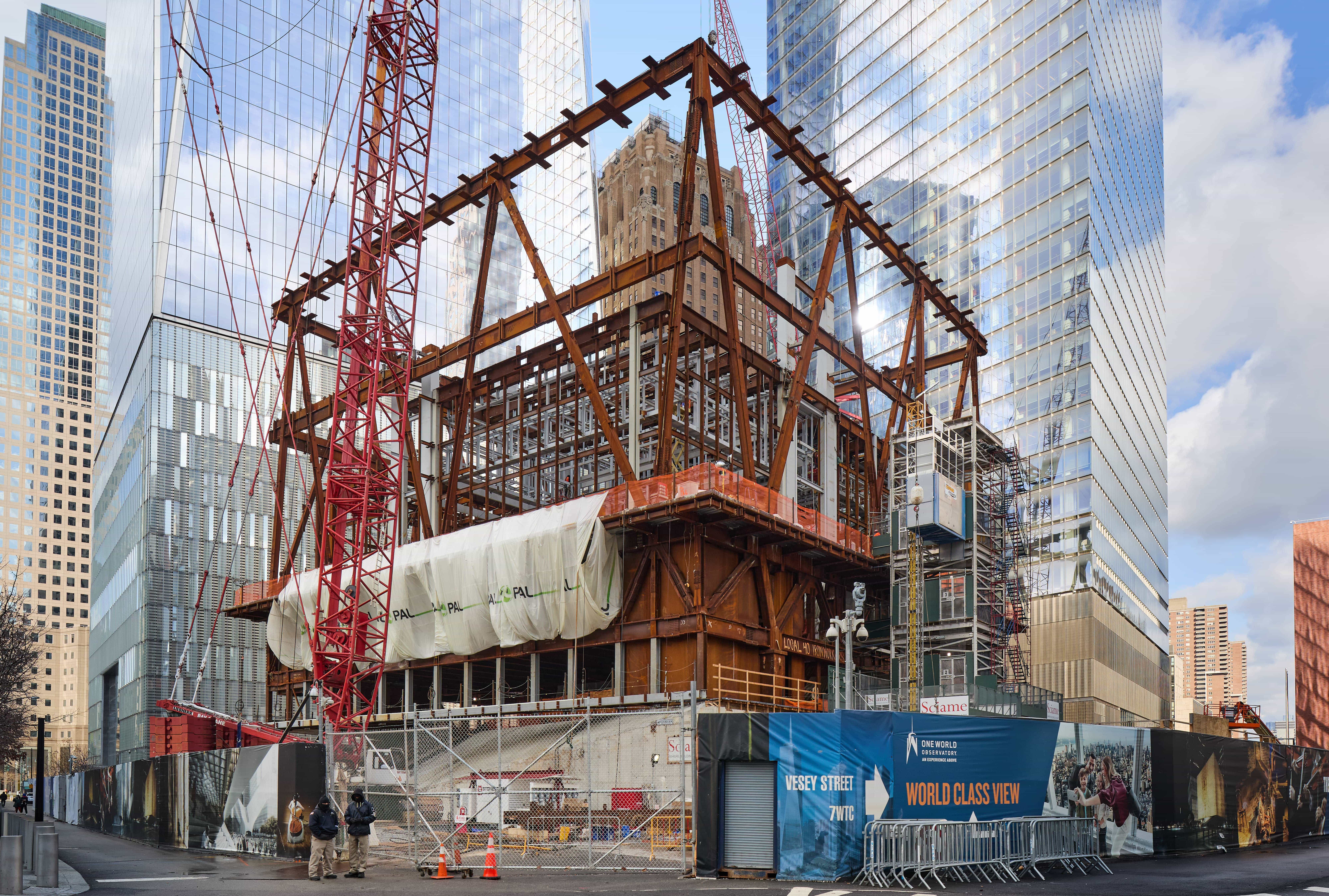
The building’s structure weaves through four subterranean levels of infrastructure, including train tracks, subway lines, and high-security truck circulation; responds to the foundations of a previous design by another architect that provided minimal bearing capacity at the new design’s location; and accommodates stringent blast and acoustic isolation requirements.
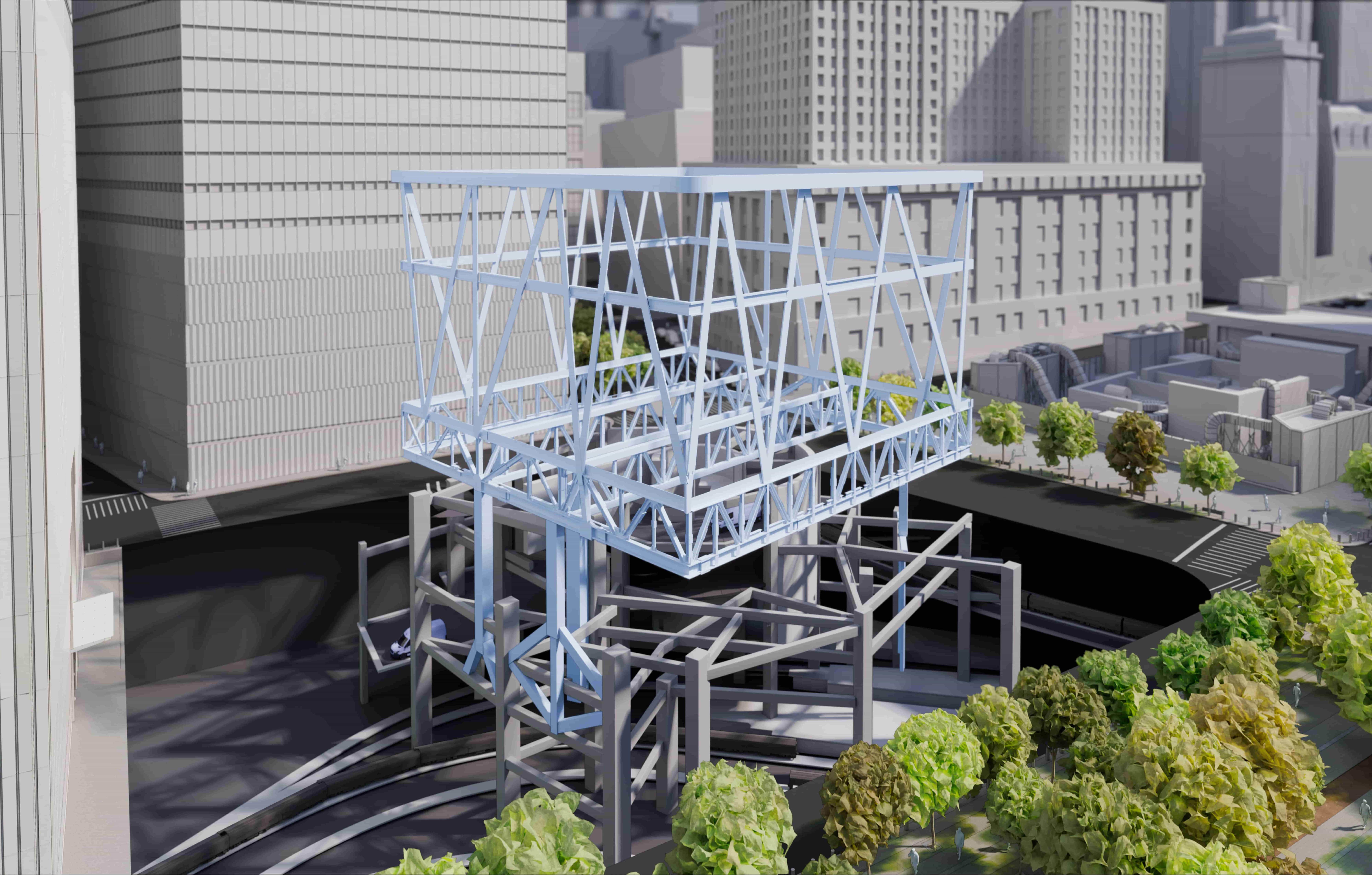
To overcome these constraints, seven “super columns” thread through the below-grade infrastructure and branch out like spider webs to grab bearing capacity wherever possible. From these awkwardly spaced super columns, the structure was reverse-engineered, resolving the columns into a structural plate, on top of which a massive belt truss ties the entire building together.
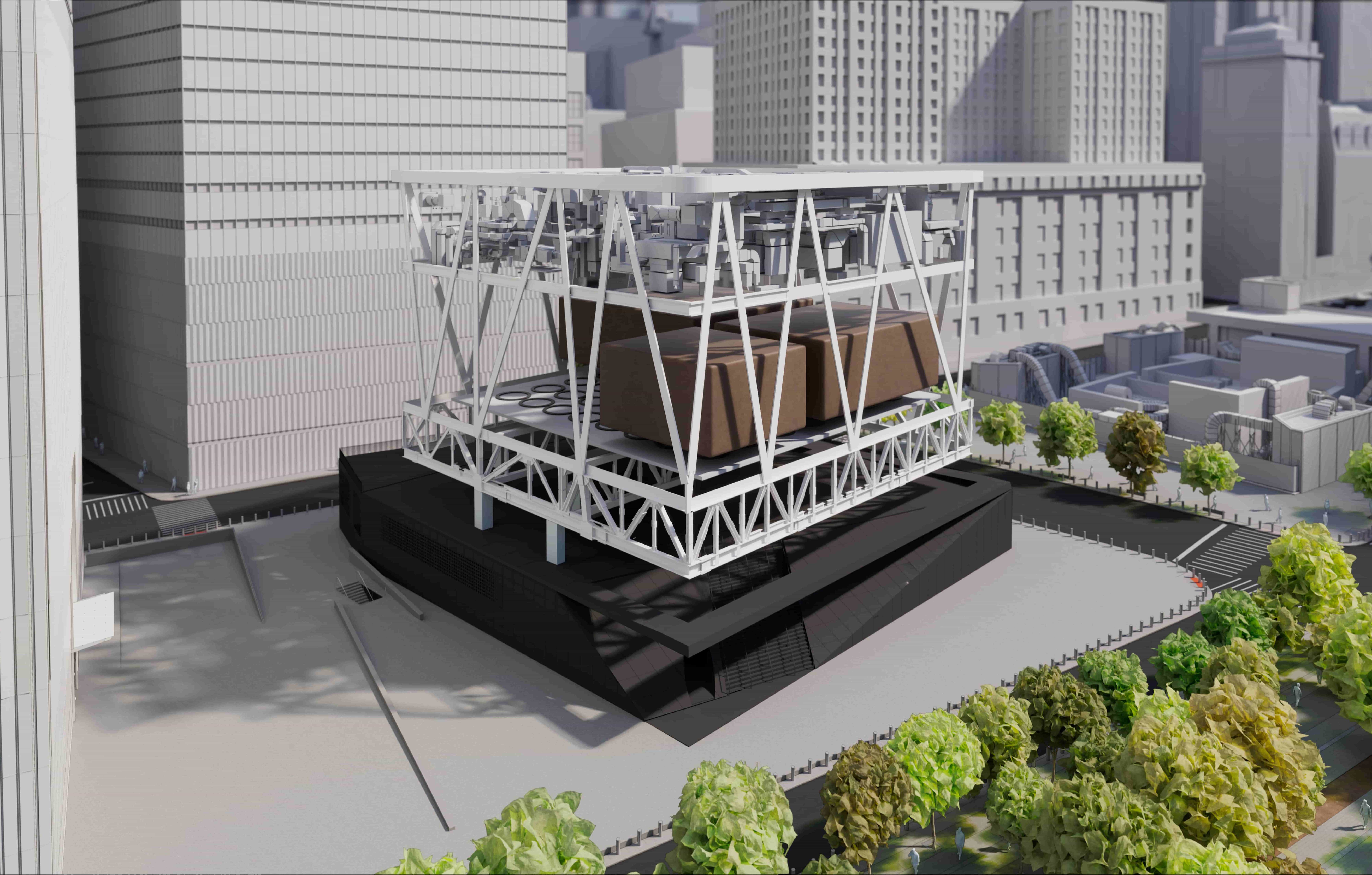
On top of the plate and within the belt truss are nestled the three highly reconfigurable theaters. Like ships in a bottle, the auditoria are box-in-a-box structures, floating independently from each other and the rest of the building on foot-thick high-density rubber pads, allowing simultaneous performances while protecting them from vibration caused by the trains, subways, and trucks below.

To provide exceptional room acoustics within a radically flexible environment (with variable auditorium sizes and proportions; manifold possible stage and audience locations; and voices and instruments, both amplified and unamplified), the theaters are designed to aurally resemble a boundaryless, diffuse “forest clearing.”
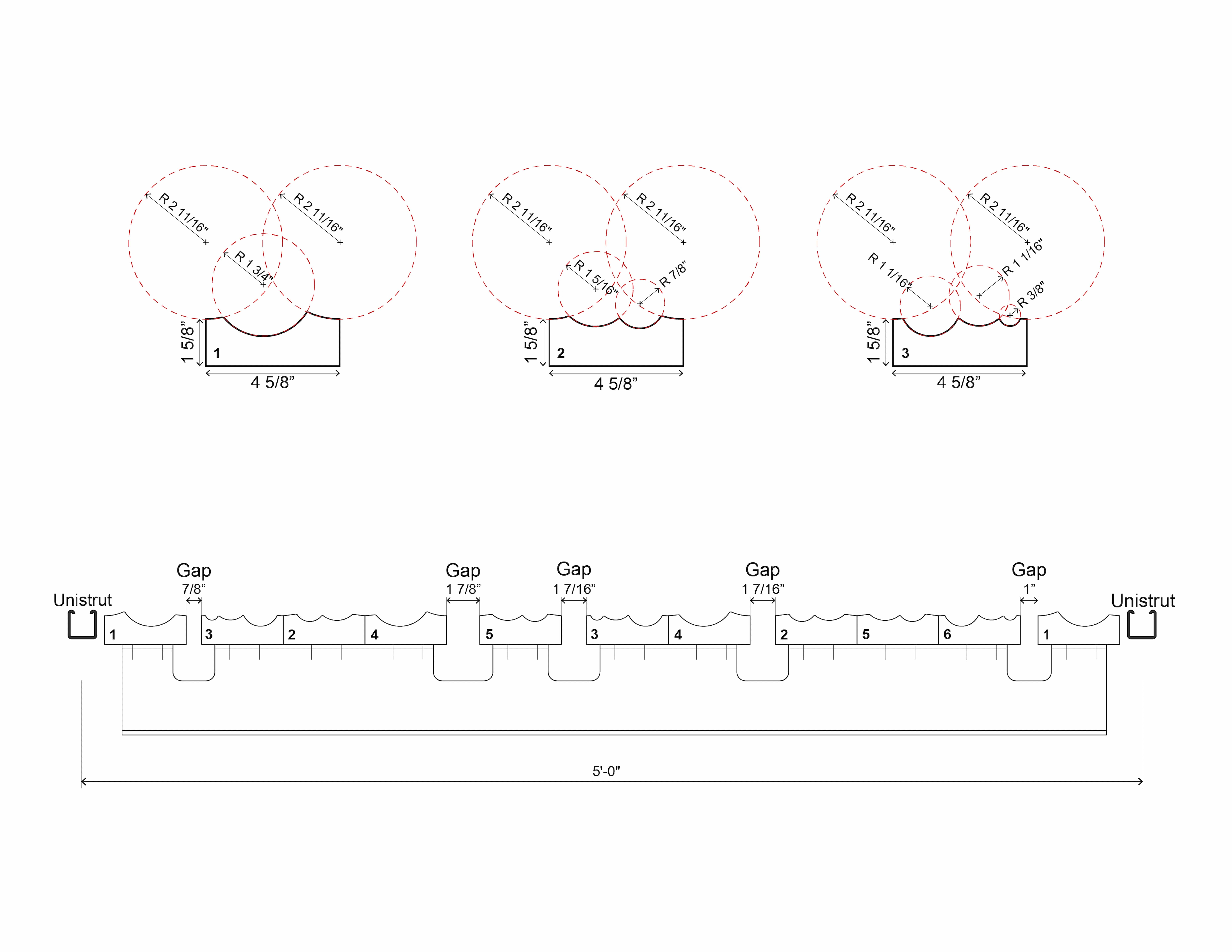
A perimeter wall of trees—with its random solids and voids—retains acoustic energy without imprinting a defined auditory signature: the ideal environment into which specific soundscapes can be tailored for each performance configuration. To emulate a forest clearing’s geometry, a system of three planks—with one, two, and three “scoops”—were cost-effectively ripped out of walnut using crown molding knives.
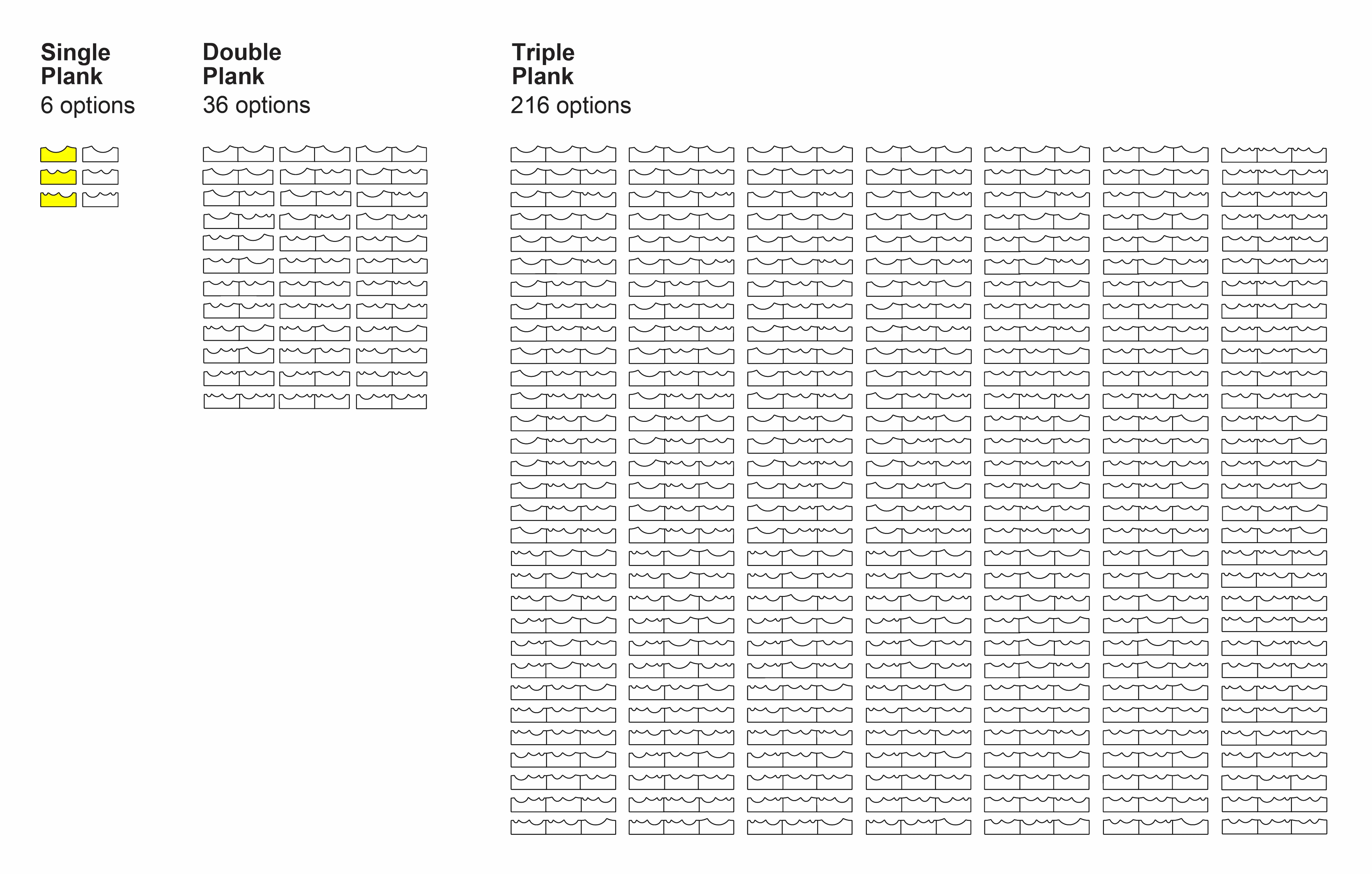
Because the scoops at the edge of each plank are of consistent radius, the planks always marry regardless of their arrangement or rotation. This enables 258 permutations of plank combinations. The plank geometries, their arrangements, and the voids between them were iteratively engineered and tested by the acoustician and architect to form an effectively random surface in a cost-effective and standardized manner.
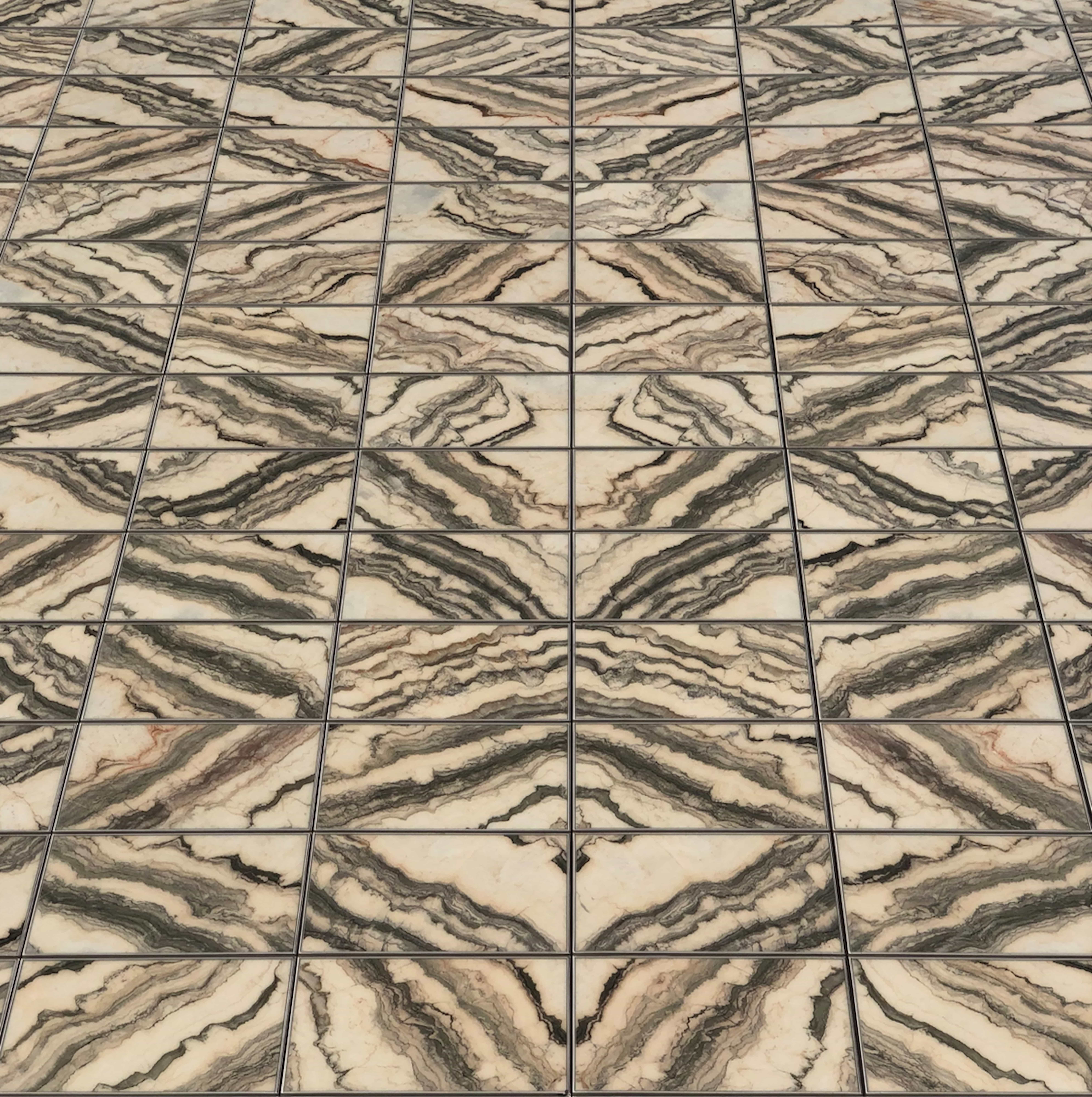
The façade is composed of 12 mm-thick (1/2”-thick) translucent, veined Portuguese marble slabs, laminated on both sides with glass and sealed to avoid water infiltration and thermal hysteresis. The outer glass lite has a micro-texture resembling honed 400 stone to mask its presence.
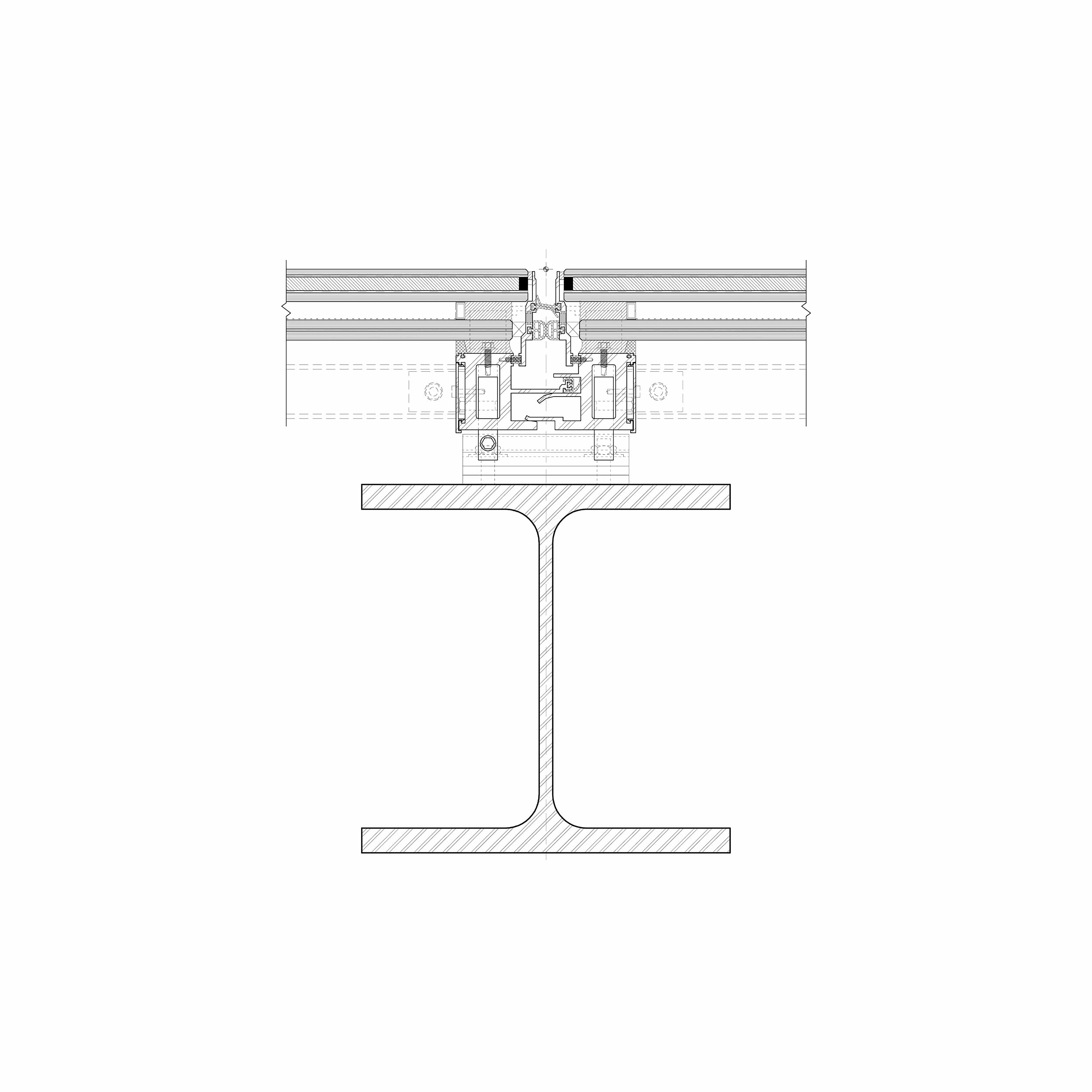
The 5’ x 3’ marble-glass laminates are integrated into insulated glass units (IGUs) stacked four atop each other and ganged into 5’ x 12’ curtain wall mega-panels. These mega-panels facilitate efficient fabrication, shipping, and installation onto steel HEB sections hung from the top of the building. Once the mega-panels are installed, any individual IGU can be demounted and reinstalled independently of any other, as if unitized.
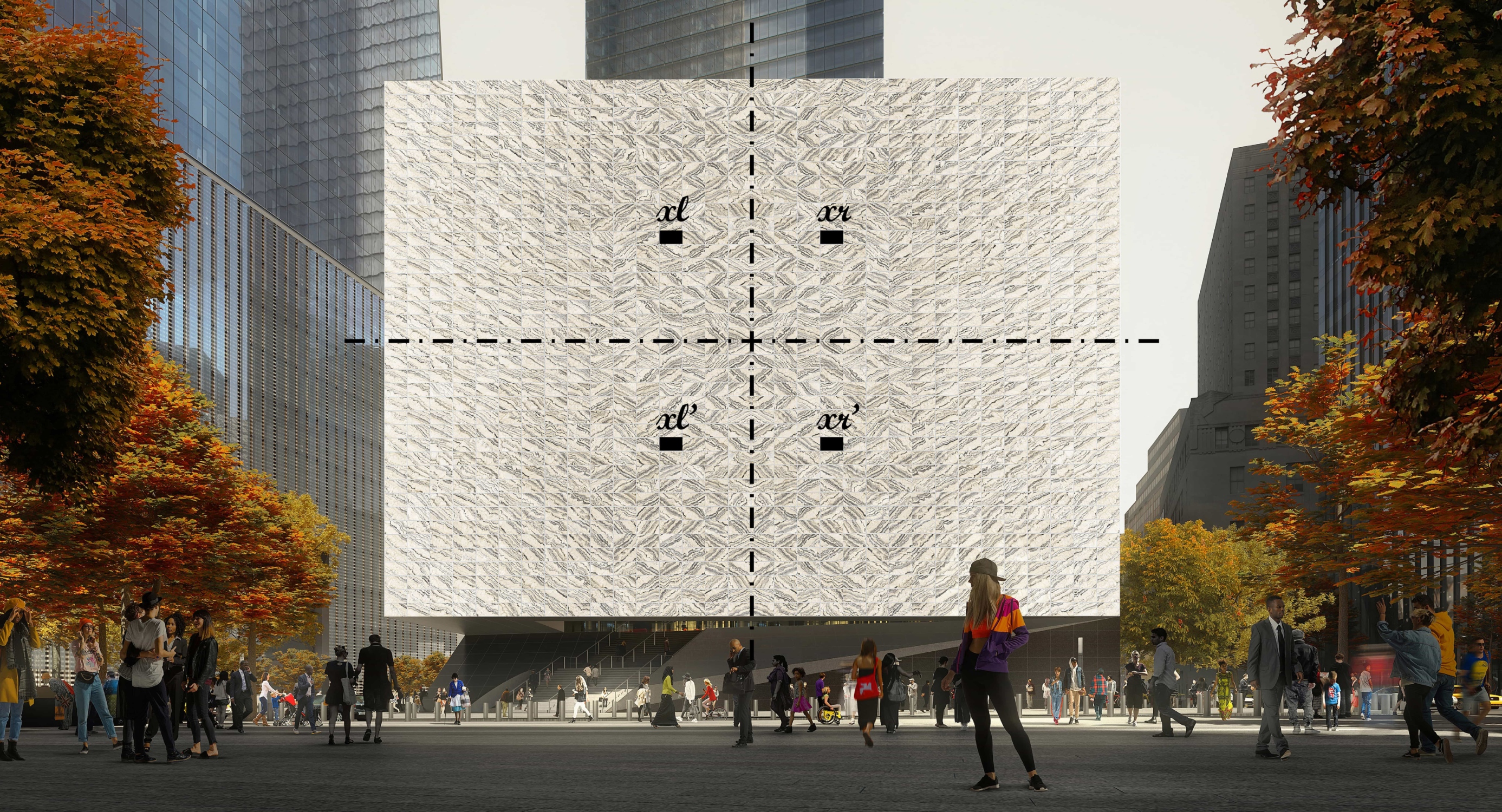
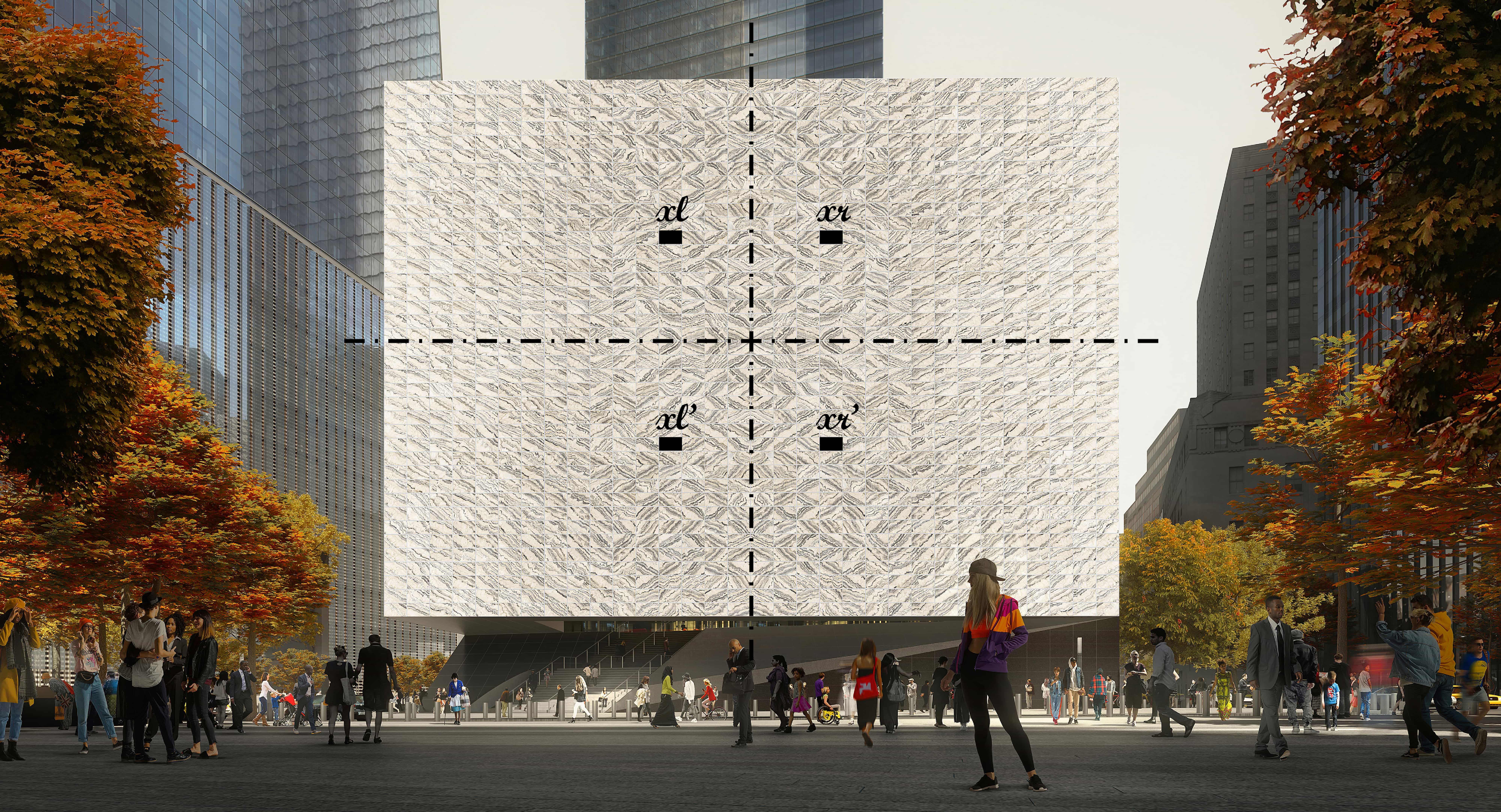
Through a process called “bookmatching,” the 4,896 marble-glass panels are arranged so that the marble veining forms a biaxially symmetric pattern, which repeats identically on all four sides of the building.

Due to the duration of quarrying, slabbing, honing, tiling, and laminating the marble, then assembling the marble-glass panels into IGUs and mega-panels, the composition of each 20% of the panels had to be determined prior to knowing what the next 20% coming out of the ground looked like. Biaxial symmetry guaranteed a compelling result, even if its final composition was unknown until the process’ end.
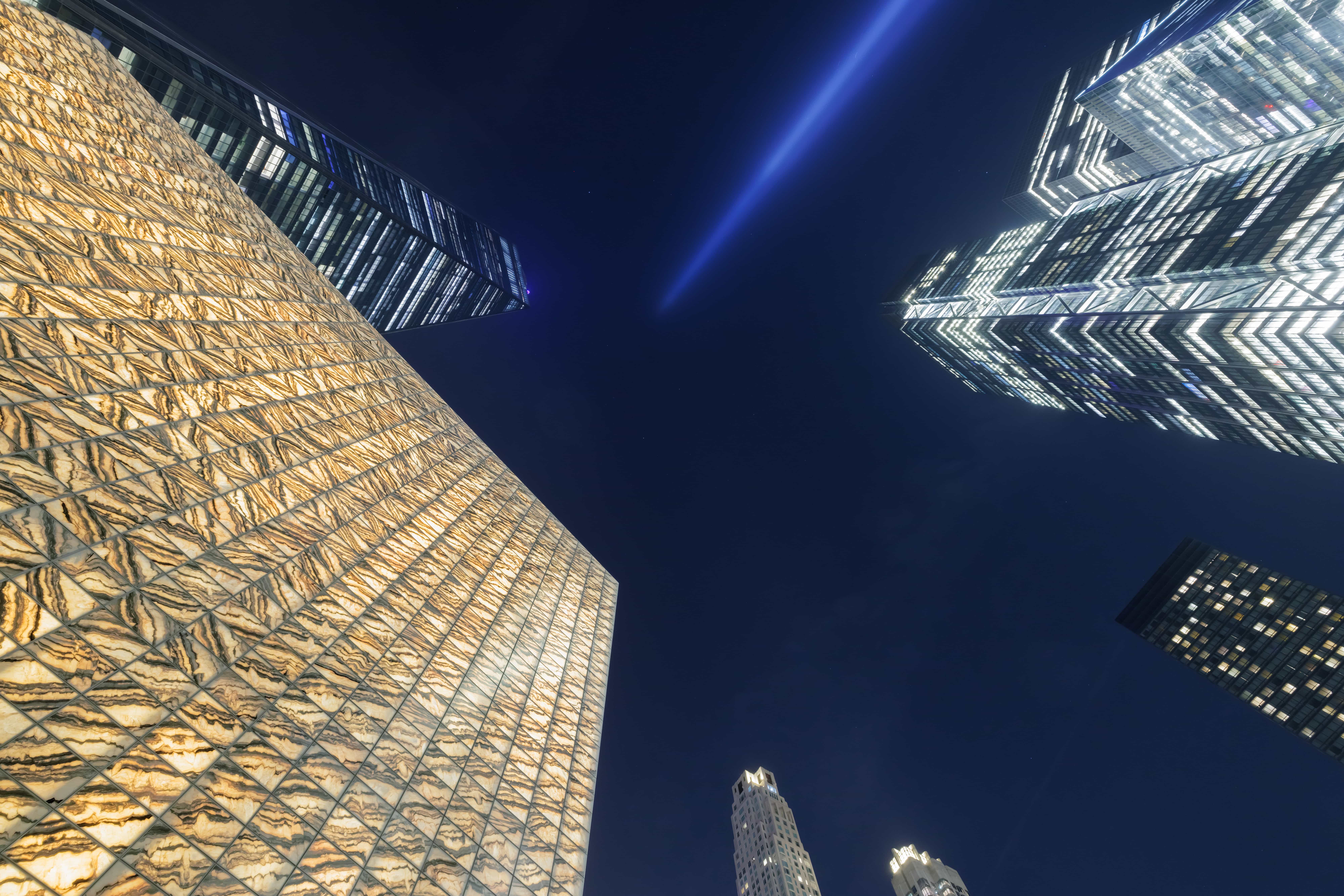
September 11, 2023 light tribute
“Lower Manhattan could have hardly asked for a more spectacular work of public architecture.” – Michael Kimmelman, The New York Times
Image credits: 1, 2, 3, 4, 6, 7, 22, 23, 24 © Iwan Baan; 13 © Aaron Thompson; 21 © Luxigon; all others © REX