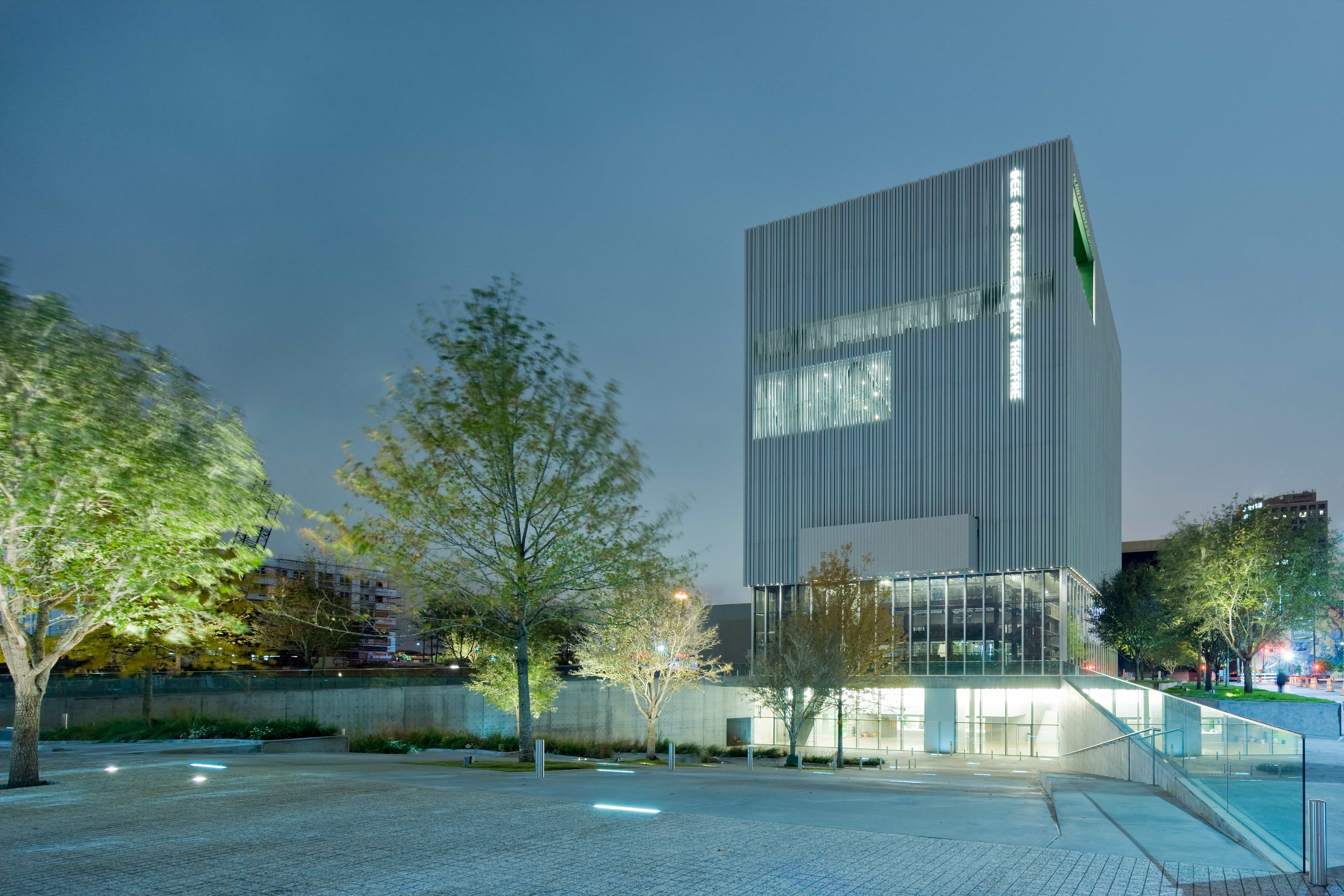
AT&T PERFORMING ARTS CENTER DEE & CHARLES WYLY THEATRE
Dallas, Texas
AWARDS Regional Theatre Tony Award, 2017; Mies Crown Hall Americas Prize (MCHAP), Nominee, 2014; U.S. Institute for Theatre Technology, National Honor Award, 2012; American Institute of Architects (AIA), National Honor Award, 2011; American Council of Engineering Companies (ACEC), National Gold Award, 2010; American Institute of Steel Construction (AISC), IDEAS² Award, 2010; ArchDaily, Building of the Year, 2009
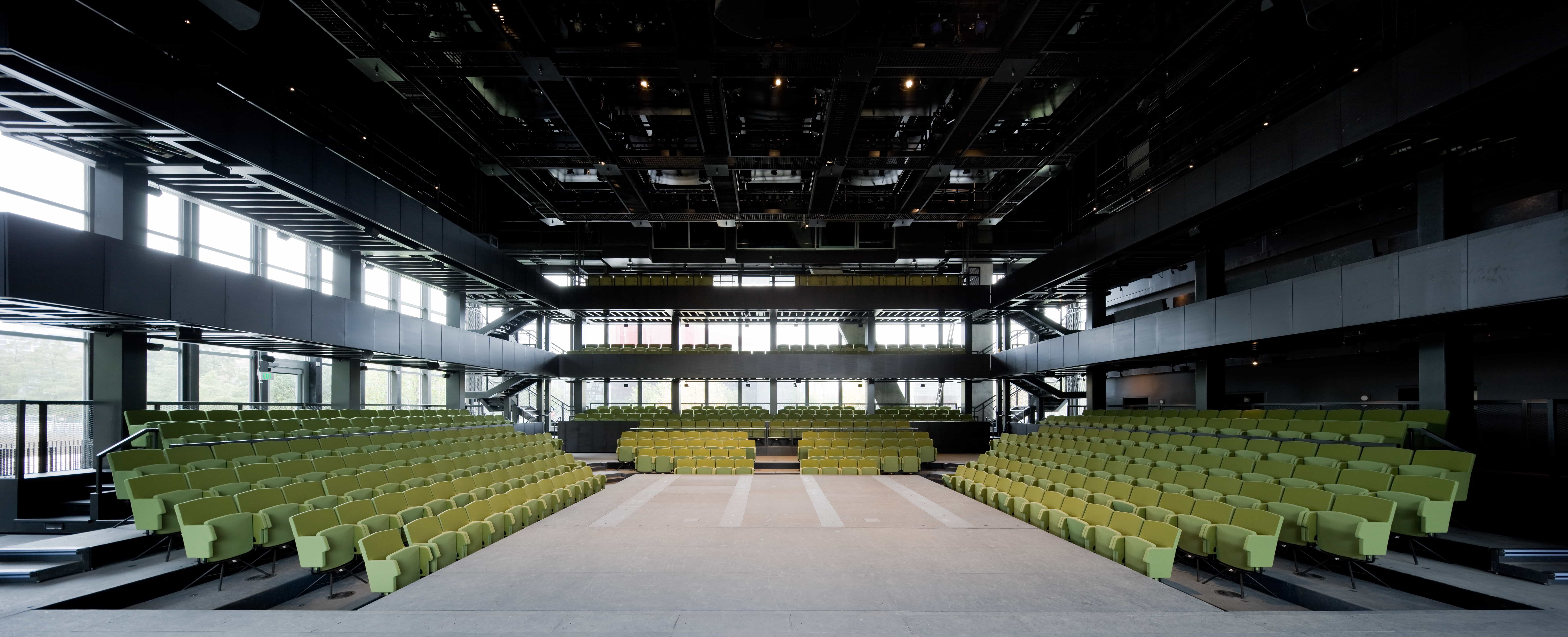
PROGRAM “Multi-form” theater (nominally 575 seats) with the ability to transform among proscenium, thrust, arena, traverse, studio, and flat floor configurations with only a small crew in a few hours; and to open the performance space to its urban surroundings
AREA 7,700 m² (82,900 sf)
SUSTAINABILITY LEED Gold equivalent
COST US$63 million
STATUS Completed 2009
DESIGN ARCHITECT REX|OMA (REX was formerly known as OMA New York)
PERSONNEL Joshua Ramus (Partner-in-Charge) and Rem Koolhaas, with Erez Ella, Vincent Bandy, Vanessa Kassabian, Tim Archambault
EXECUTIVE ARCHITECT Kendall/Heaton
CONSULTANTS Cosentini, DHV, Donnell, Front, HKA, Magnusson Klemencic, McGuire, Pielow Fair, Plus Group, Quinze & Milan, Theatre Projects, Tillotson, Transsolar, 2×4
CONTRACTOR McCarthy
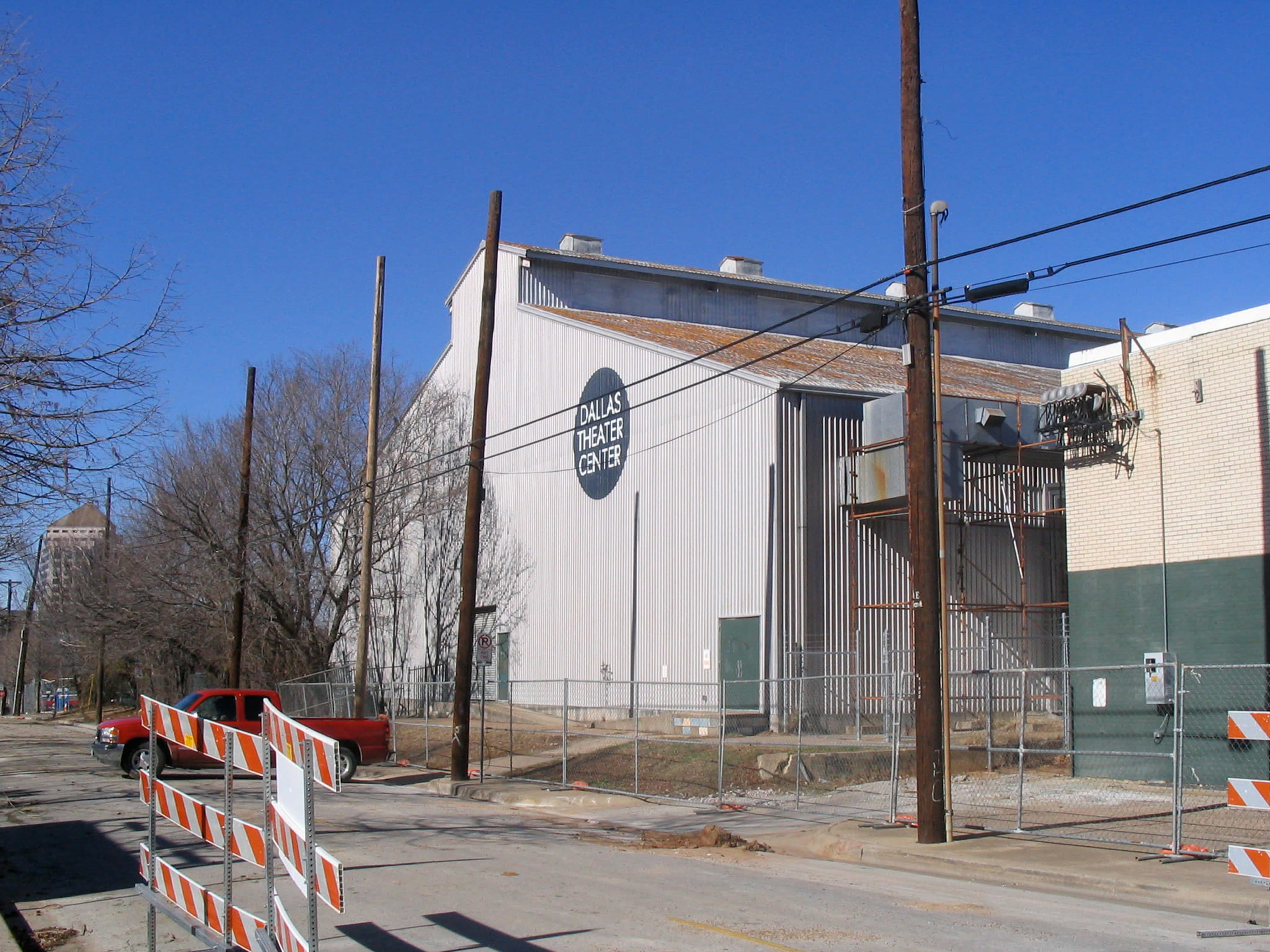
The dilapidated character of Dallas’ former Arts District Theater (ADT) cultivated innovative theater, freeing its resident companies from the limitations imposed by a fixed stage configuration and the need to protect expensive interior finishes. Its users avidly challenged the traditional theater conventions and routinely reconfigured the form of the stage to fit their artistic visions, the only limiting factor being the cost of labor and materials.
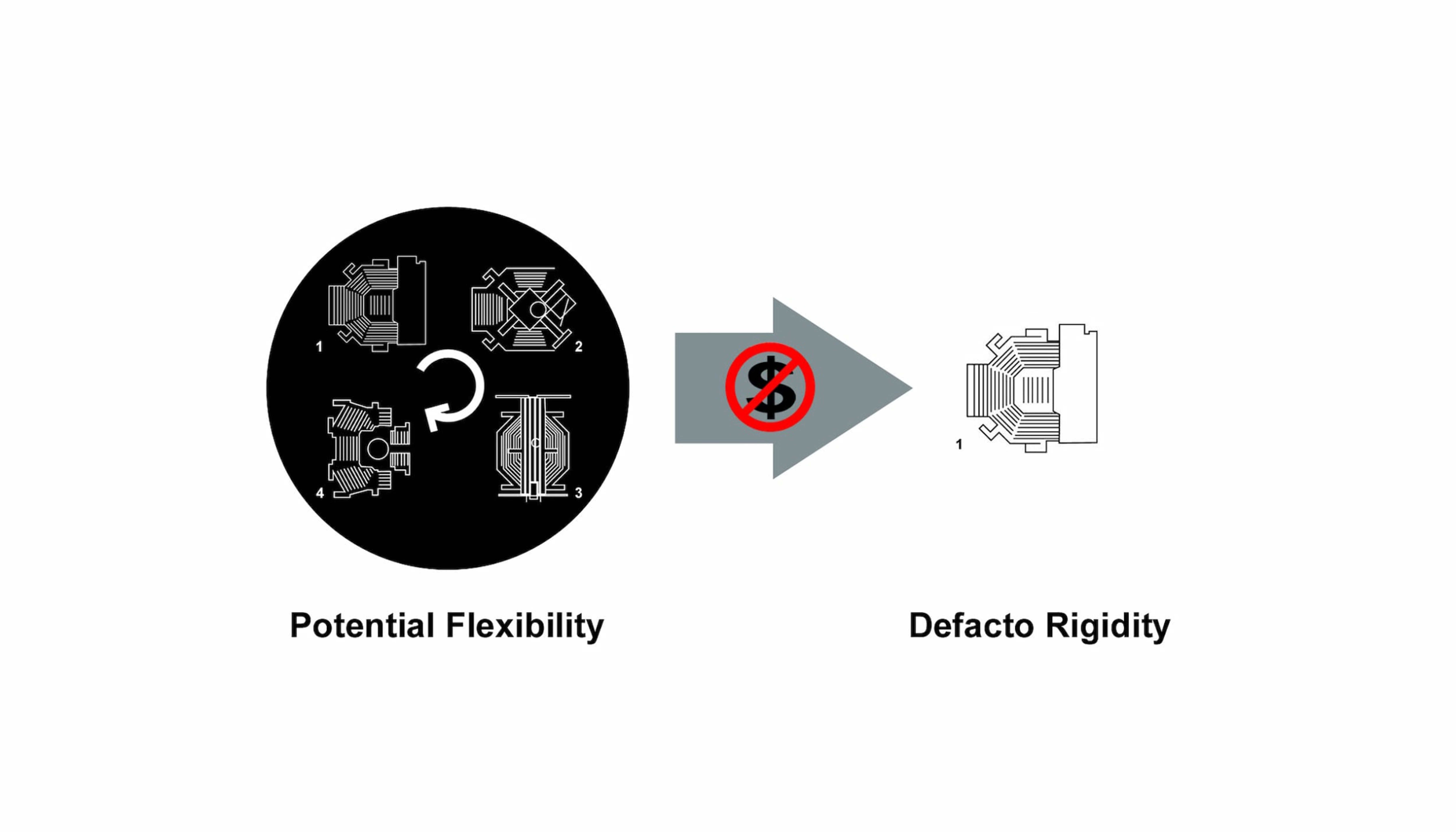
Eventually, the financial burden of reconfiguring ADT’s stage became insurmountable and it was fixed into a “thrust-cenium.” Imagining its replacement raised several distinct challenges. First, it needed to engender the same freedoms created by ADT’s makeshift nature, otherwise it would stifle the creativity that made ADT and its users renowned. Second, the new venue needed to be flexible and multiform while requiring minimal operational costs.
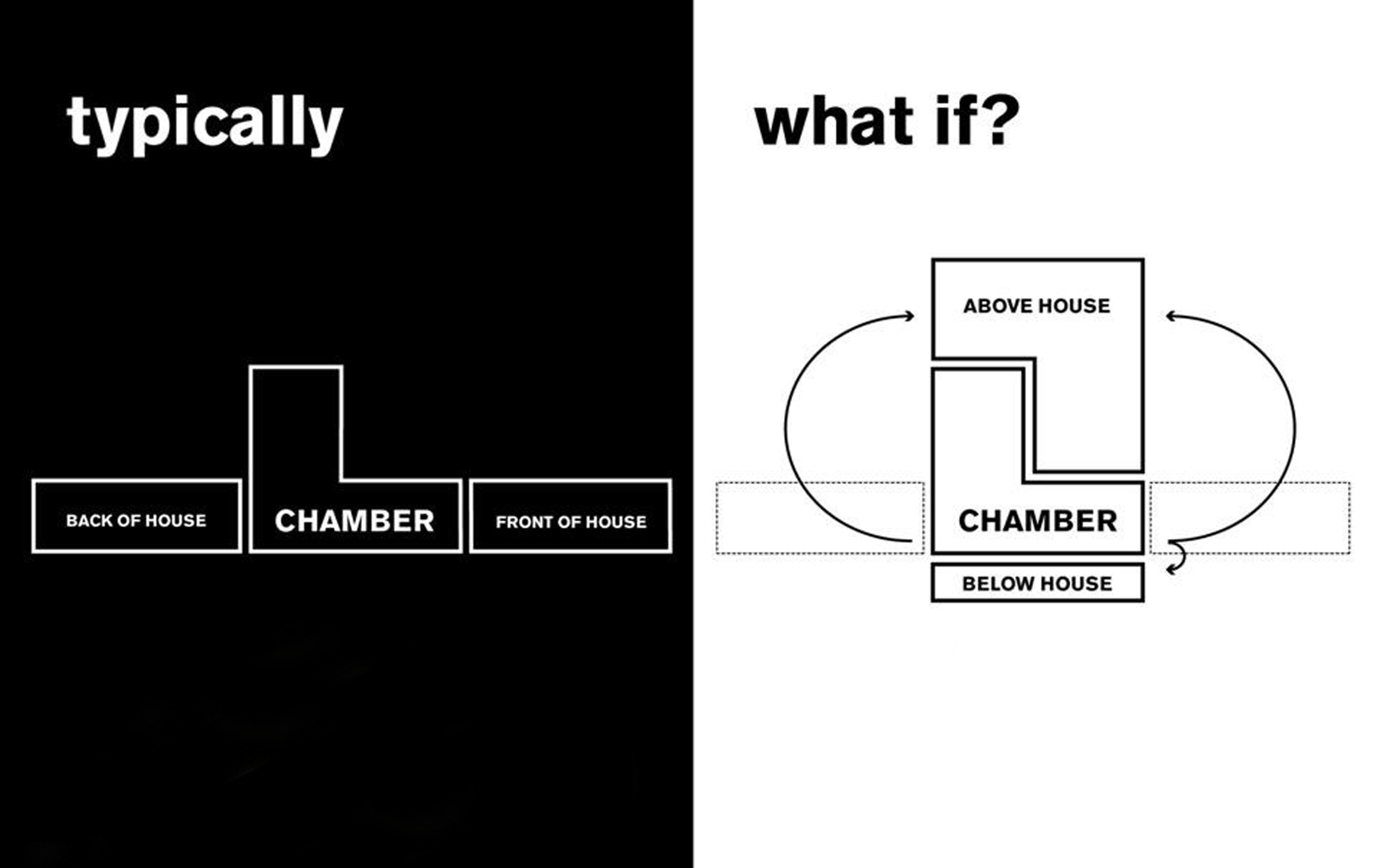
The Dee & Charles Wyly Theatre (The Wyly) overcomes these challenges by overturning conventional theater design. Instead of circling front-of-house and back-of-house functions around the auditorium and fly tower, The Wyly stacks these facilities below-house and above-house.
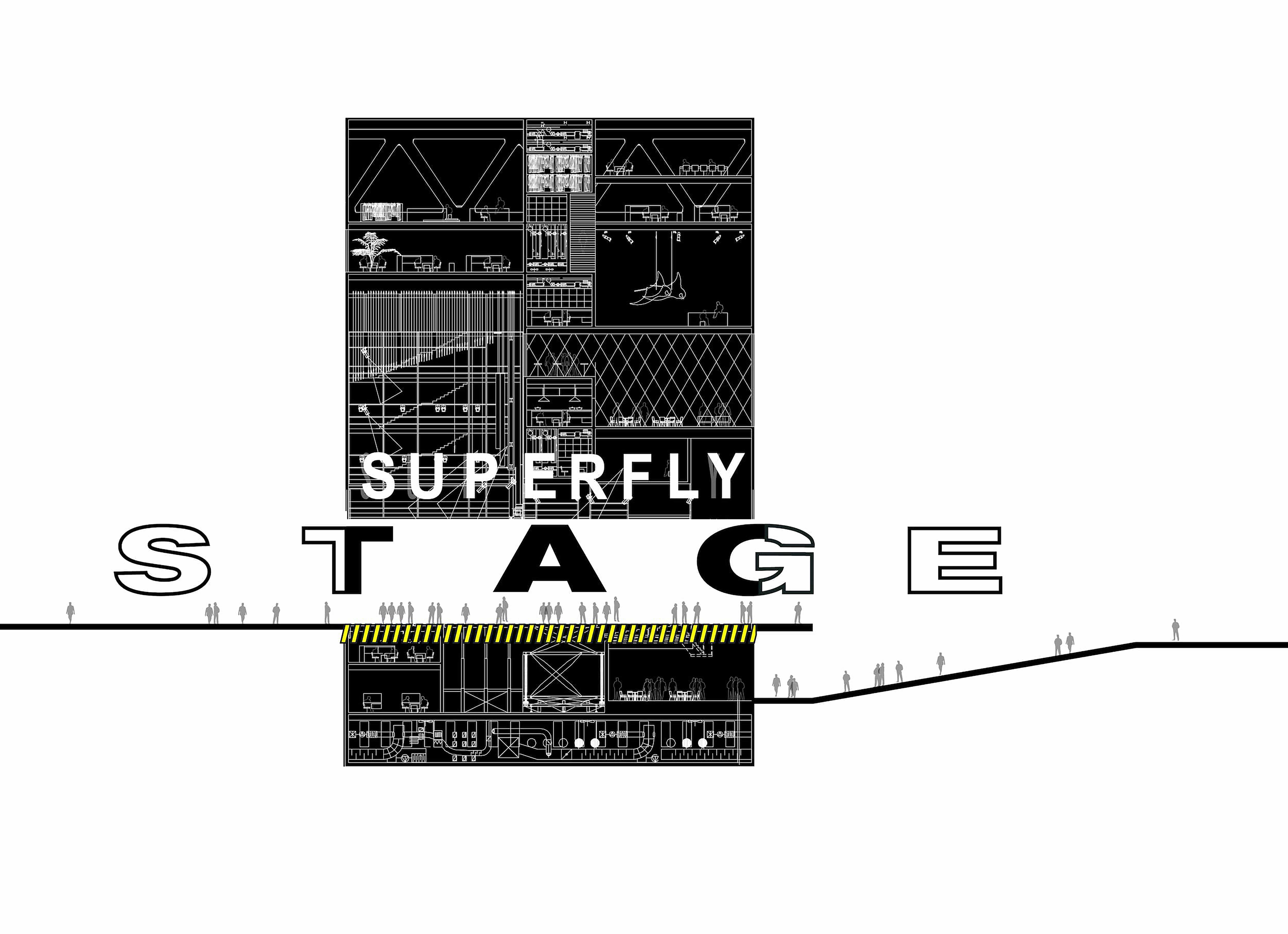
This unprecedented stacked design transforms the building into a “theater machine” that …
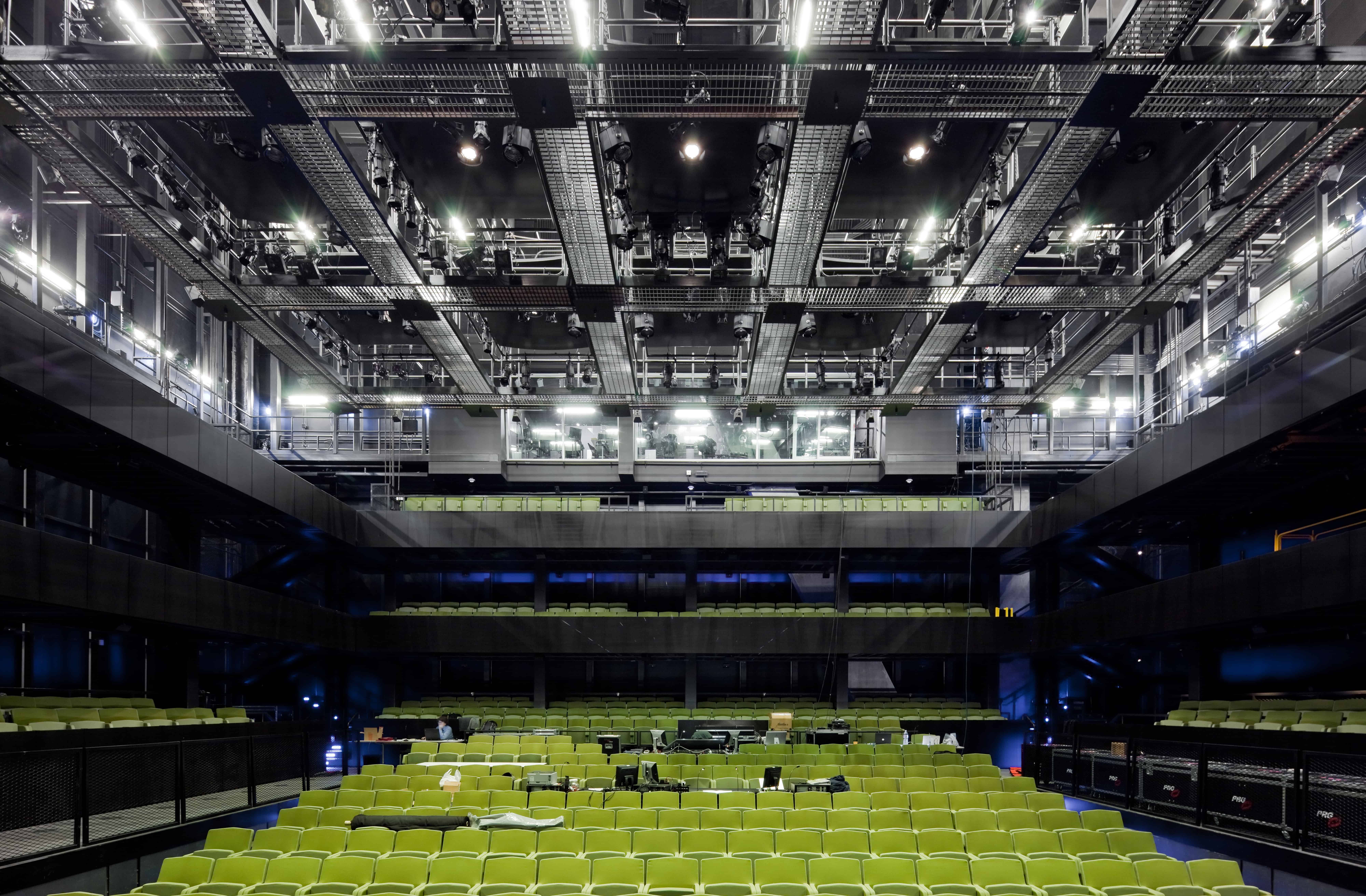
… 1. extends the technologies of the fly tower and stage into the auditorium …
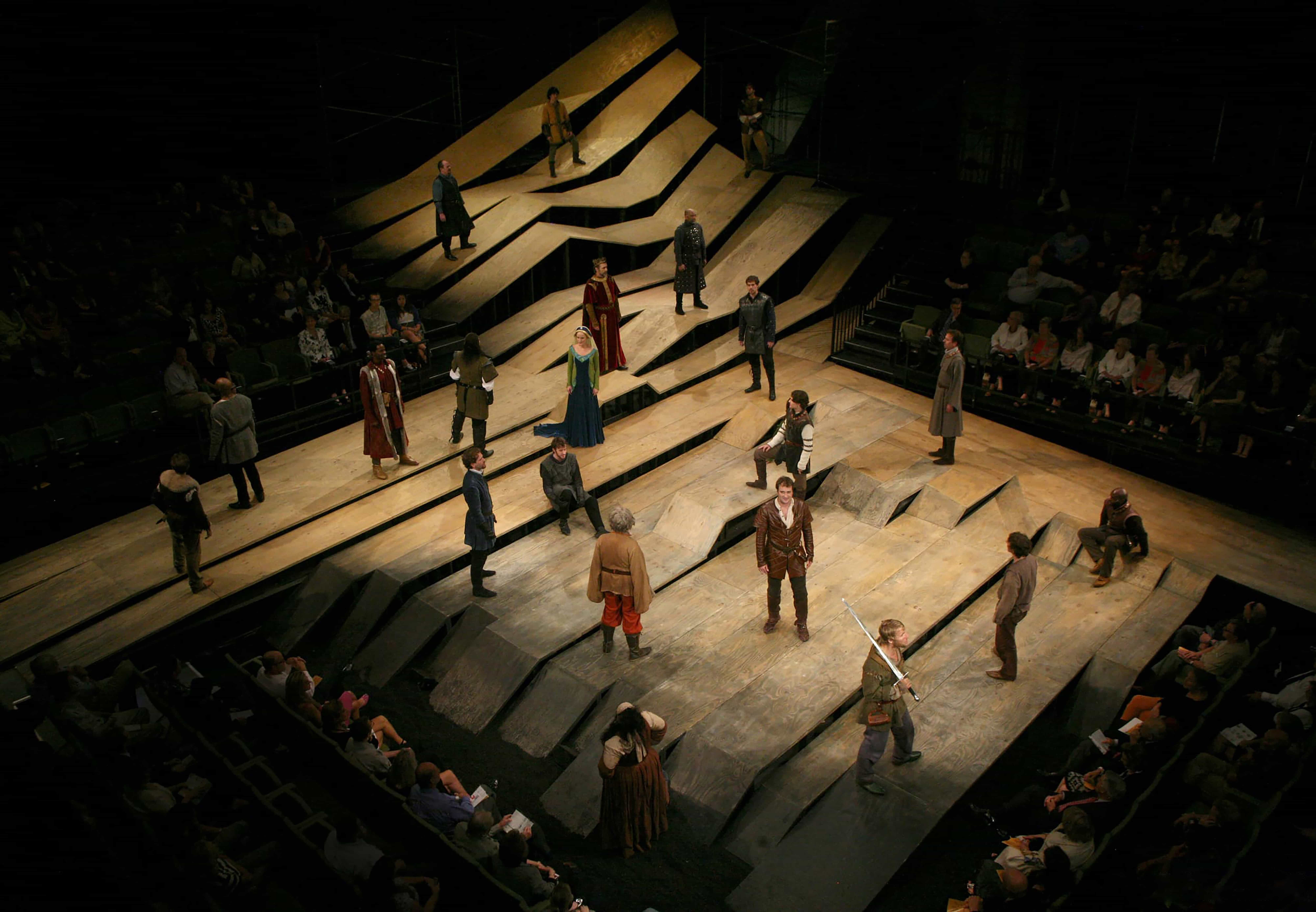
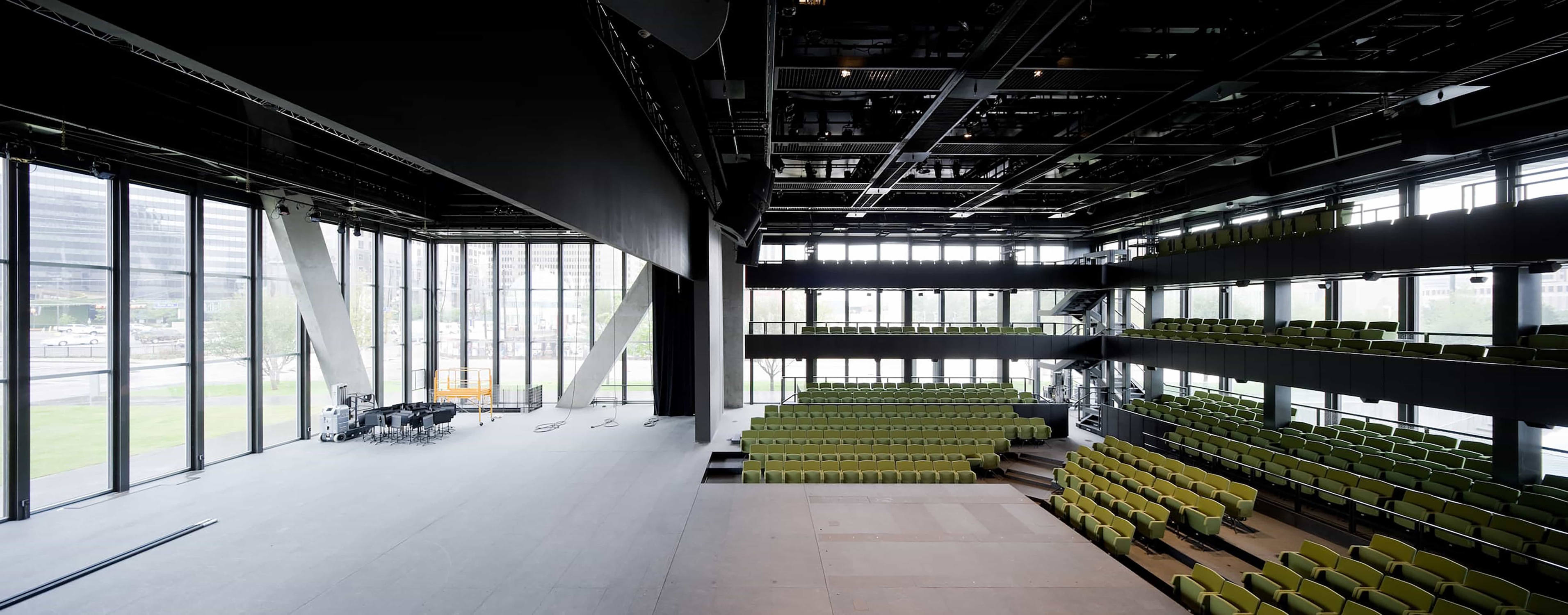
… 2. liberates the performance chamber’s perimeter to allow direct contact with the urban surroundings; and …
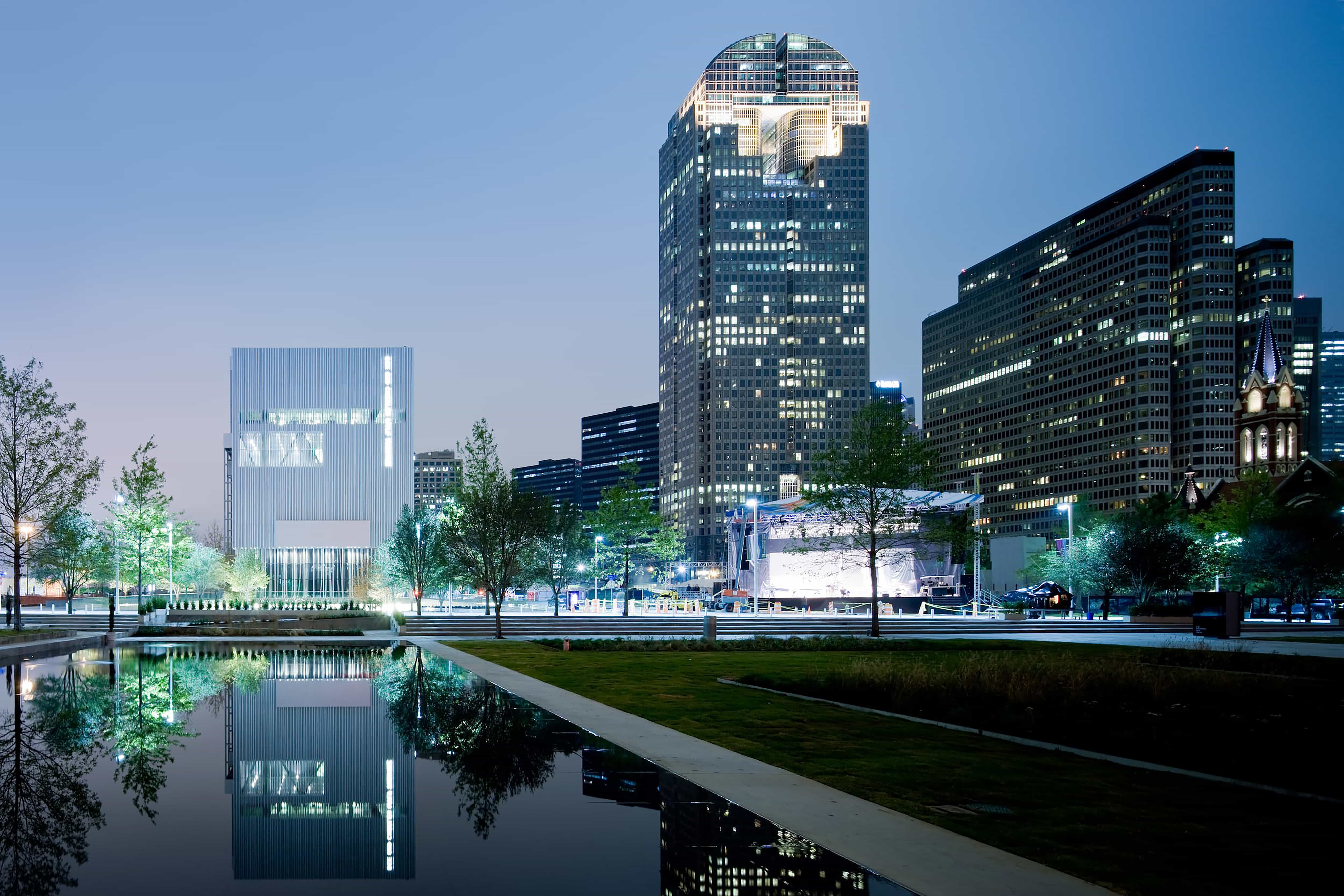
… 3. manifests a strong presence in the Dallas Arts District despite its relatively modest size.
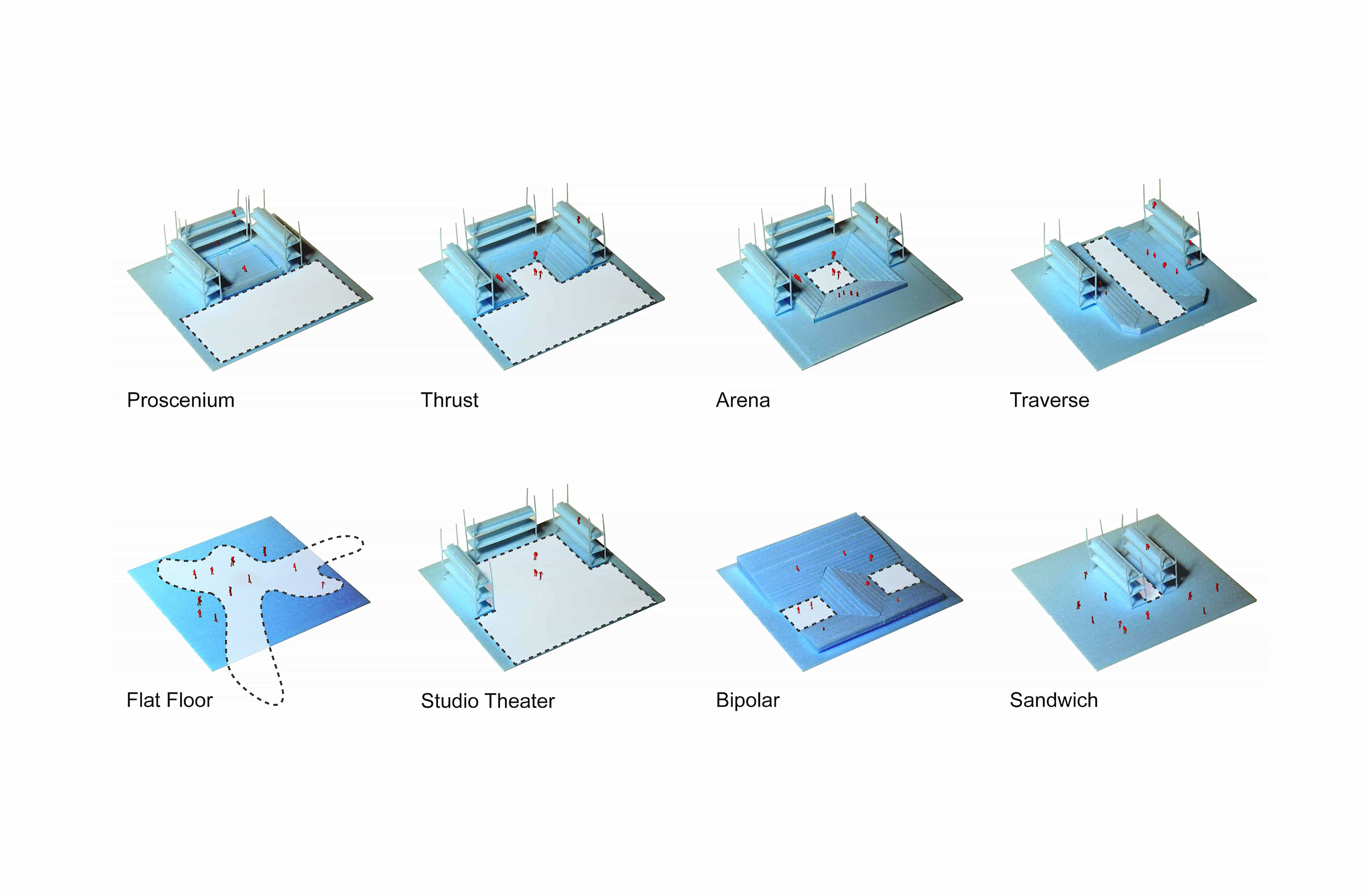
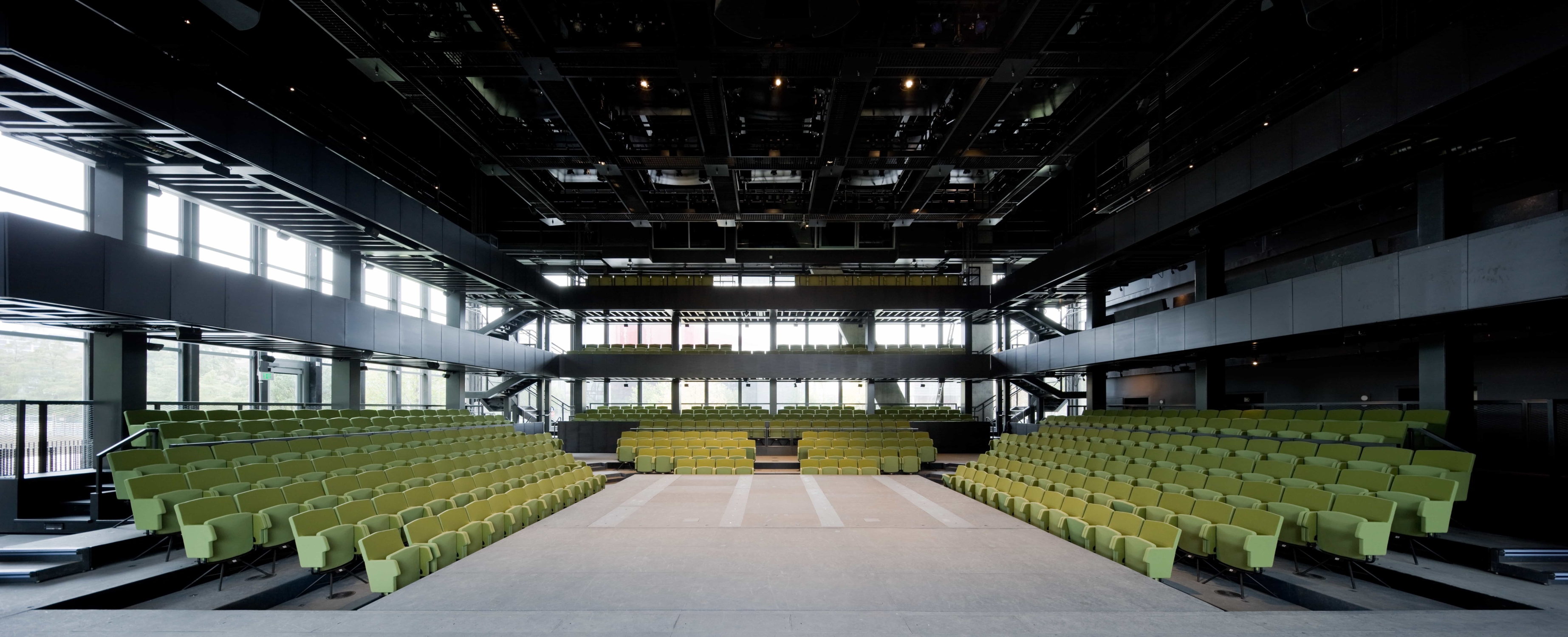
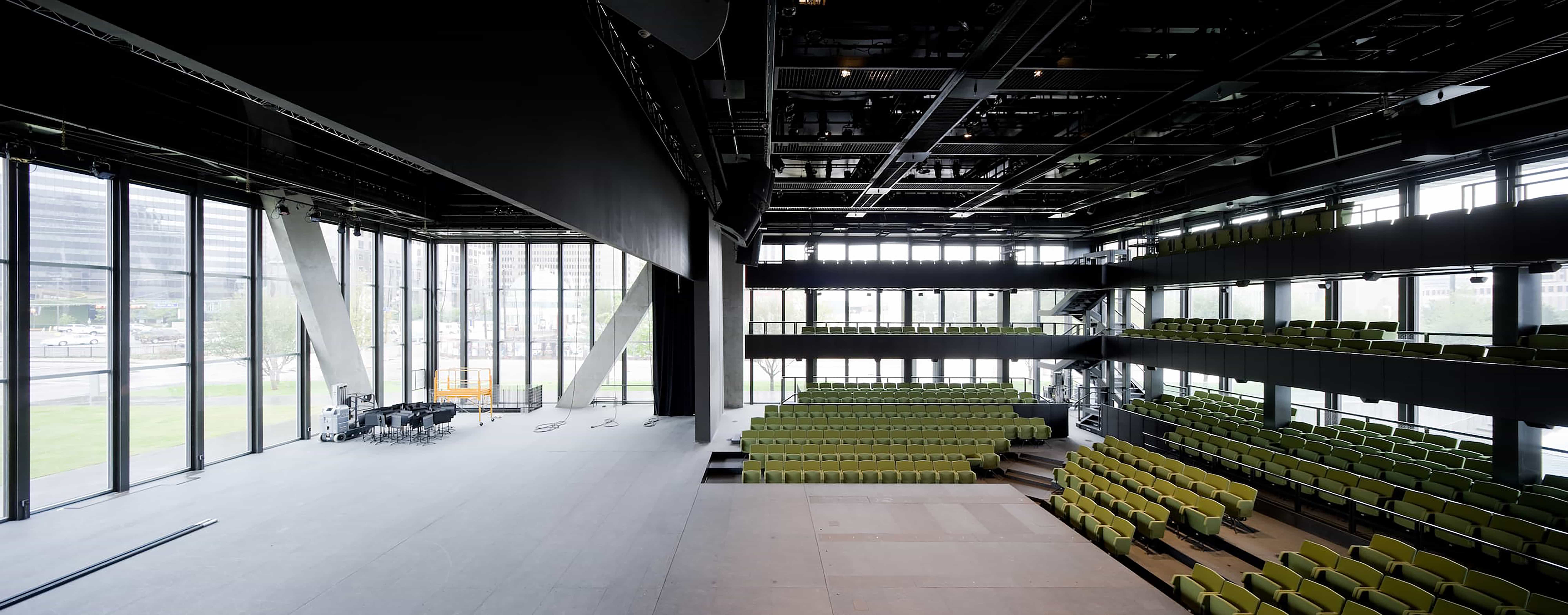
By adapting proven technologies for new uses, The Wyly can be altered into a wide array of configurations—including proscenium, thrust, arena, traverse, studio, and flat floor configurations—with only a small crew in a few hours. Directors and scenic designers are empowered to select or invent the stage-audience configuration that fulfills their artistic desires, facilitating experimentation.
“Quite simply, The Wyly has transformed the Dallas Theater Center—the size and scope of our programing, the number of patrons served, and the artistic work we create. The flexibility has turned out to be of the highest value. We routinely assure our subscription audiences that if they attend all of our productions over the course of a season, they’ll never sit in the same seat twice! Repeatedly audiences reflect back at us that their theater-going experience is unique because of the immediacy of the encounter, vibrancy of the relationship between audience and actor, and the constantly surprising relationship between theatrical design and architecture that occurs with each production.” – Kevin Moriarty, Executive Director & former Artistic Director, Dallas Theater Center (The Wyly’s resident company)
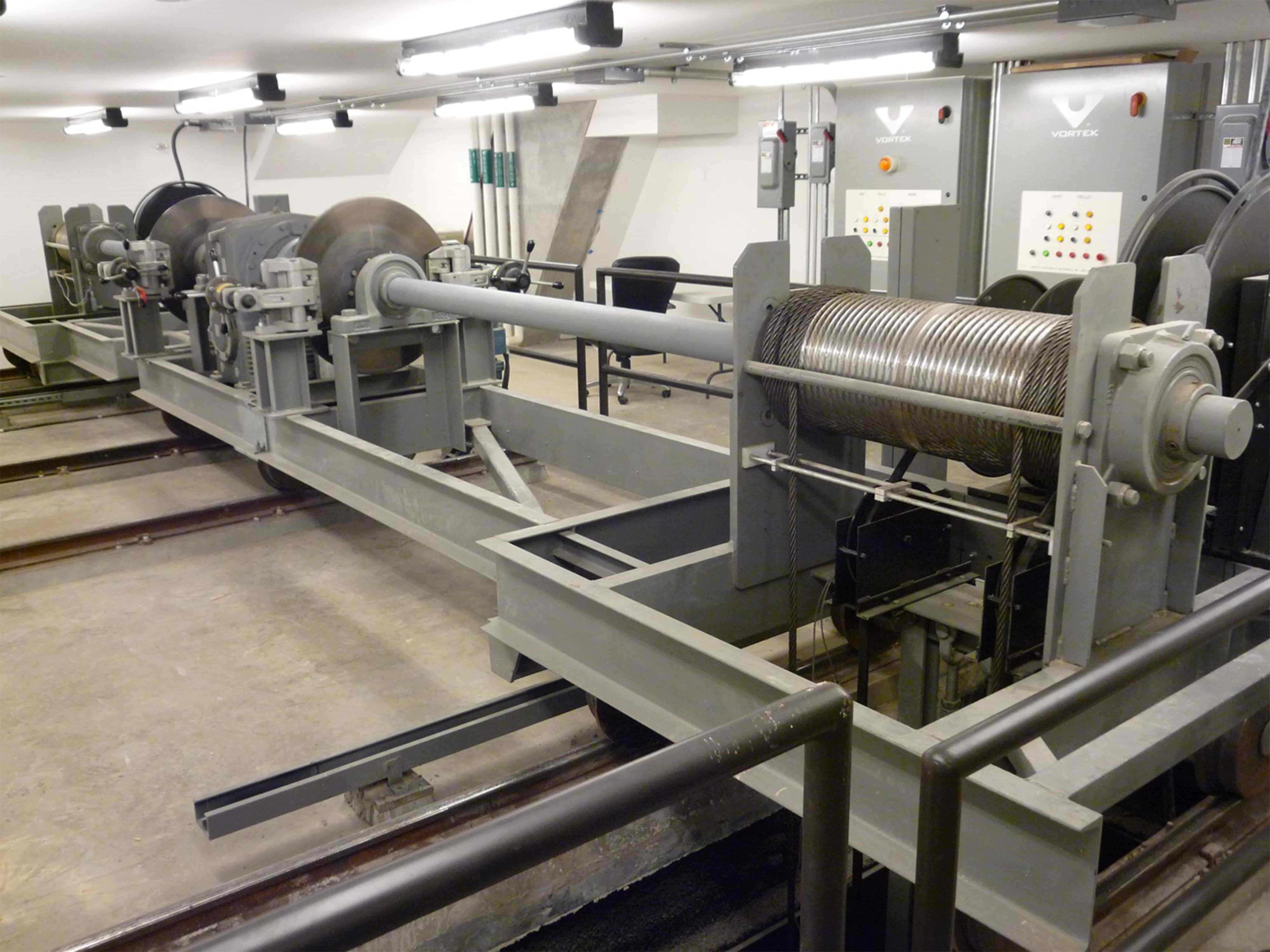
Each of the three 35-ton balcony towers, both stair towers, and the proscenium can be repositioned or lifted out of sight using sporting arena scoreboard lifts.
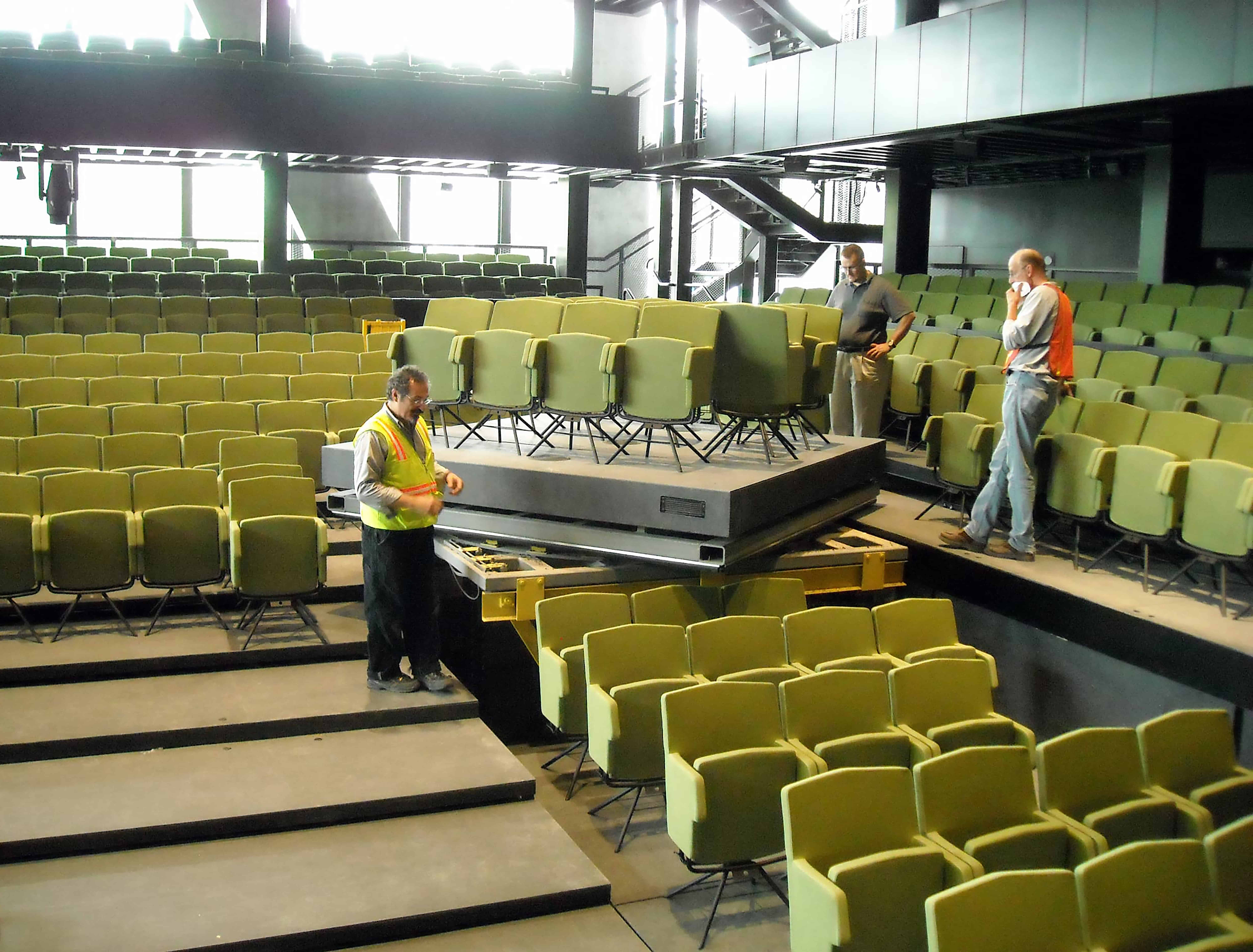
The ground plane can change height, tilt, or rotate using stage technology adapted from opera houses, to facilitate different stage or orchestra-level seating configurations.
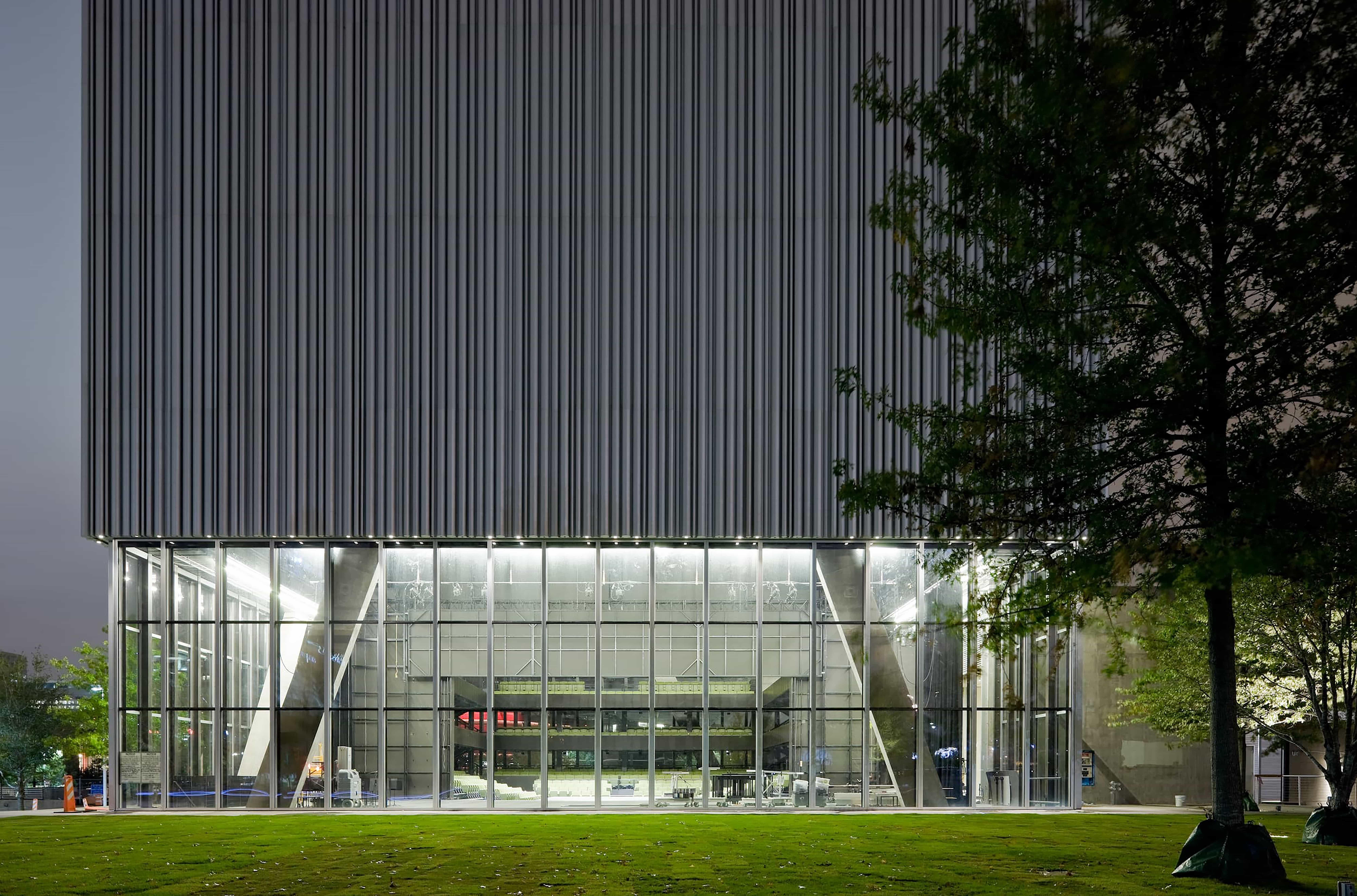
Stacking The Wyly’s ancillary facilities above- and below-house also liberates the performance chamber’s entire perimeter. No longer separated by transitional and technical zones, fantasy and reality can mix when and where desired. Directors can incorporate the Dallas skyline and streetscape into performances at will, as the auditorium is enclosed by an acoustic glass façade with optional black-out blinds …
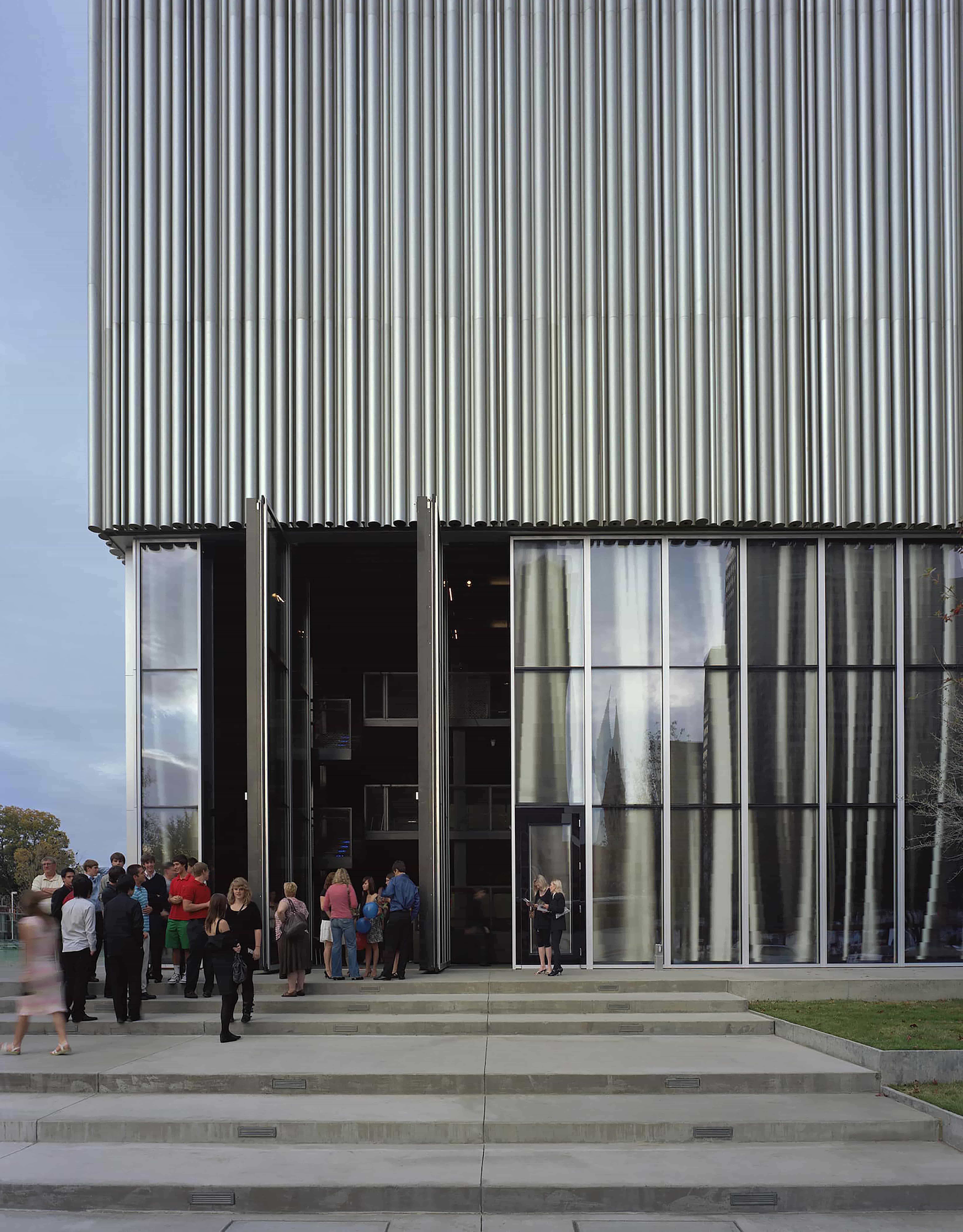
… and panels that can be opened to allow patrons or performers to enter the auditorium directly from the outside, …
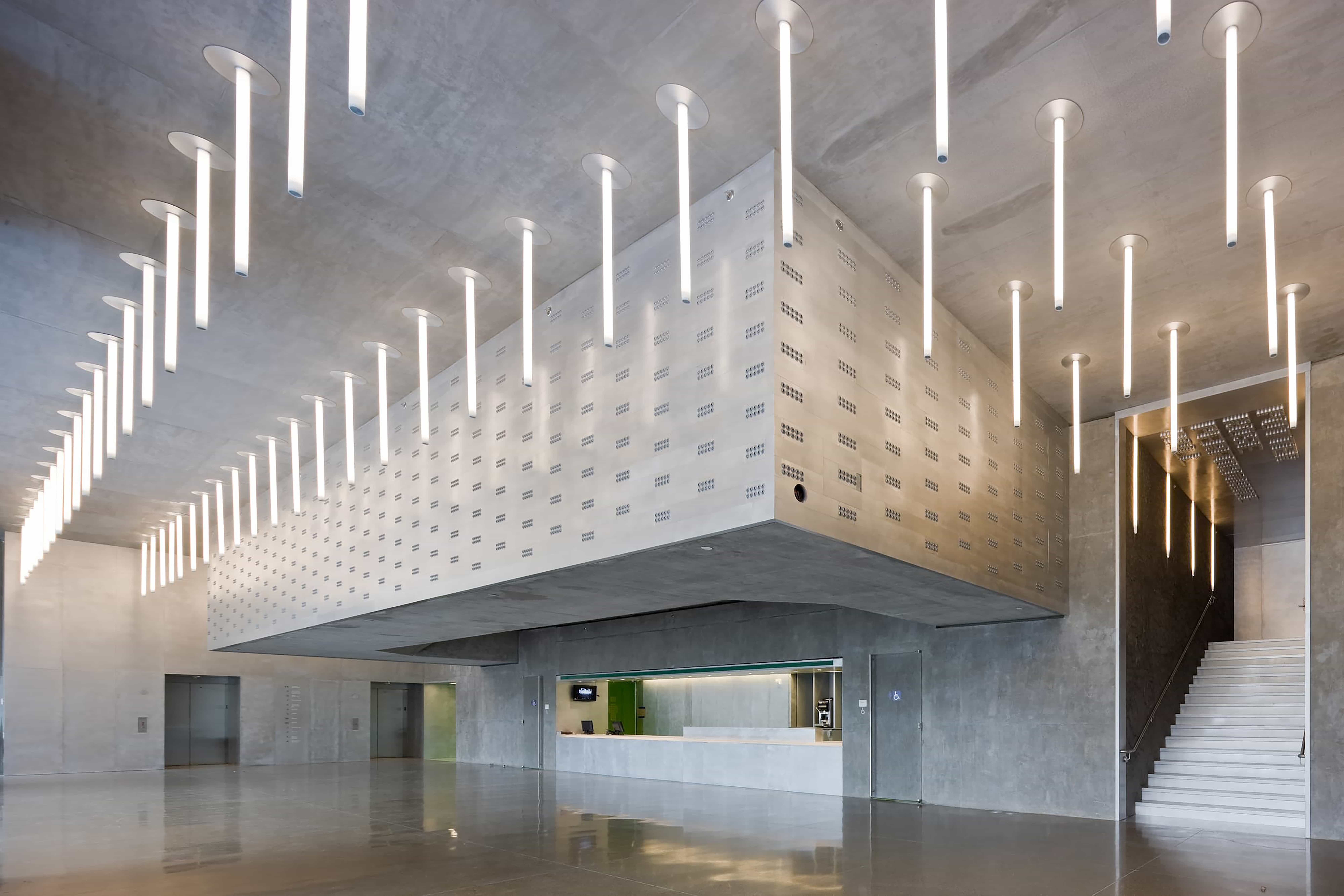
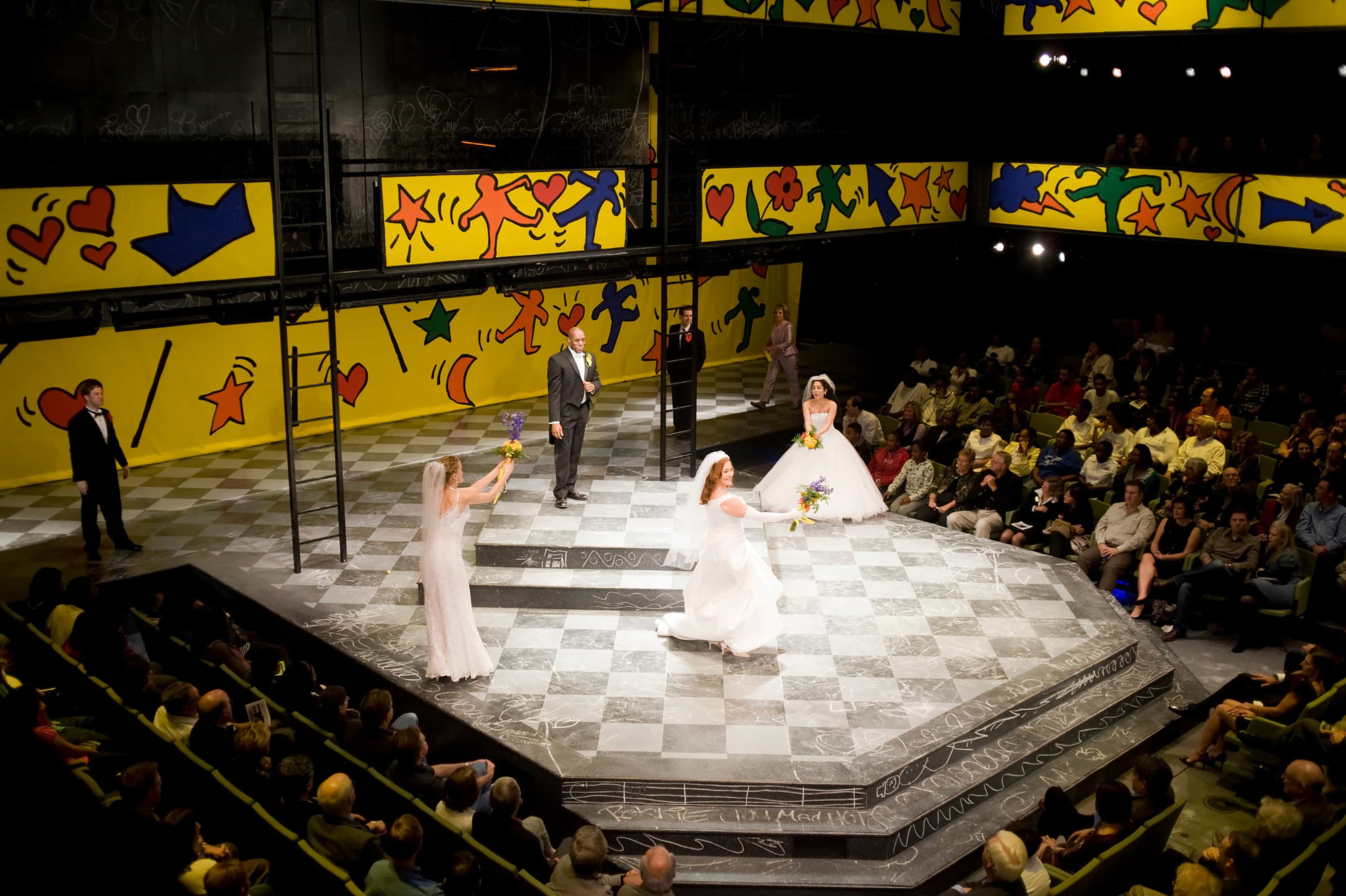
By investing in infrastructure that allows ready transformation and liberating the performance chamber’s perimeter, The Wyly grants its artistic directors freedom to determine the entire theater experience, from audience arrival to performance configuration to departure. On a Friday night, patrons can enjoy A Midsummer Night’s Dream in a dark and quiet thrust theater.
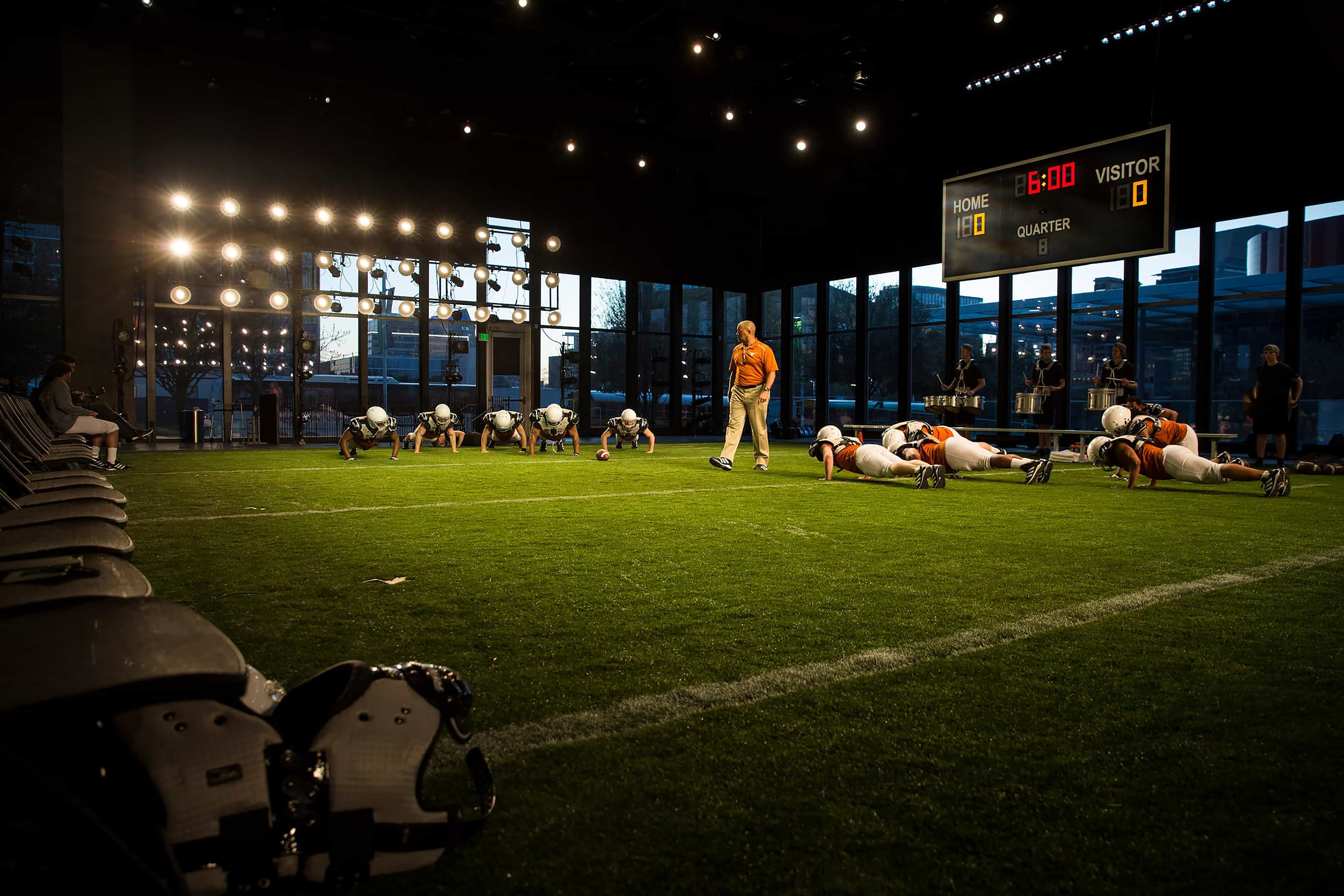
The next day—against the dramatic backdrop of the Dallas cityscape—the audience can experience Colossal in a flat floor configuration transformed into a football field or a matinee of The Wiz in an arena configuration with moving seat boxes that spin around the auditorium.
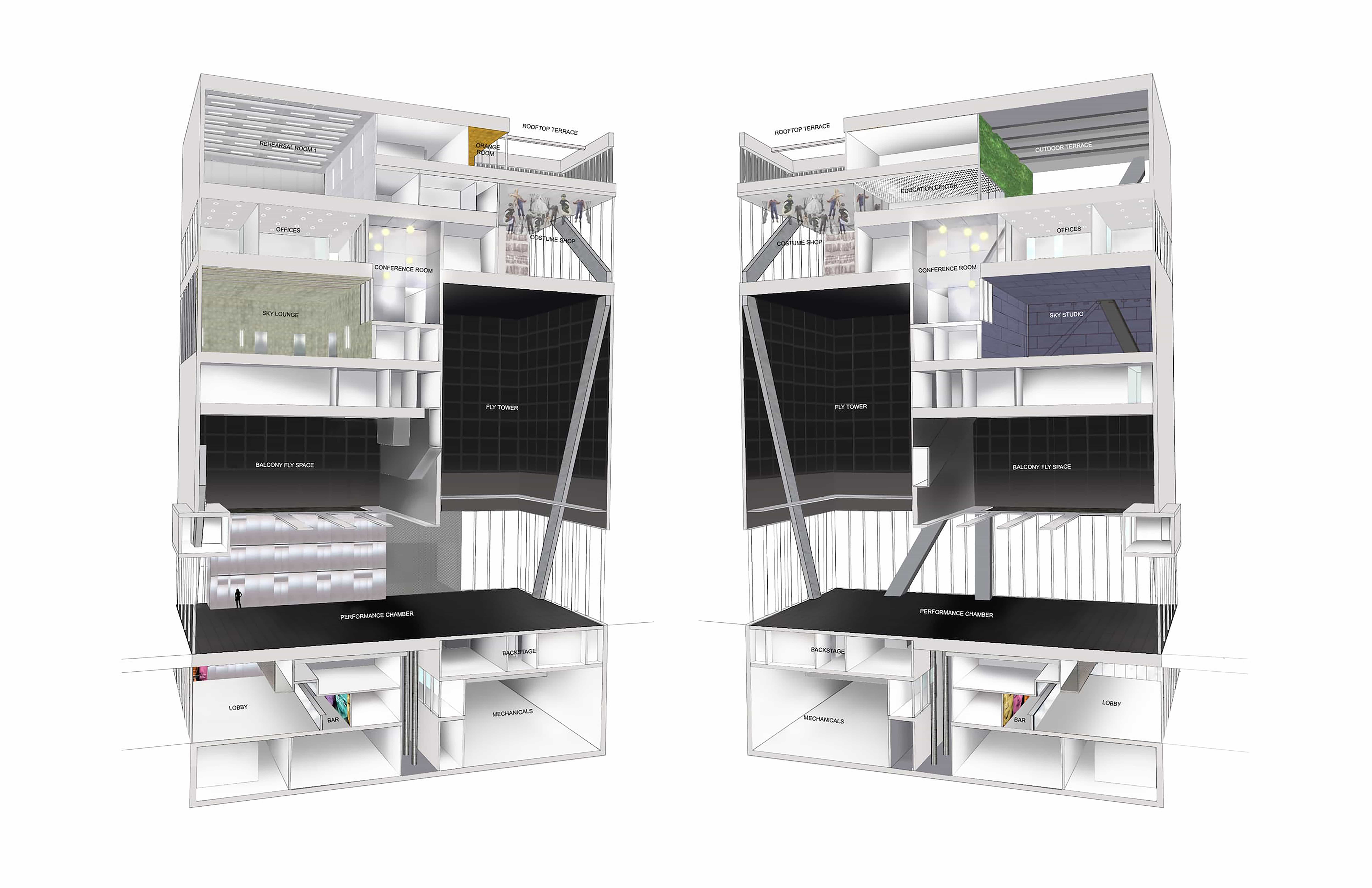
To increase company cohesion, back-of-house spaces dedicated to performers and administrators (and sometimes the public) are intertwined above-house.
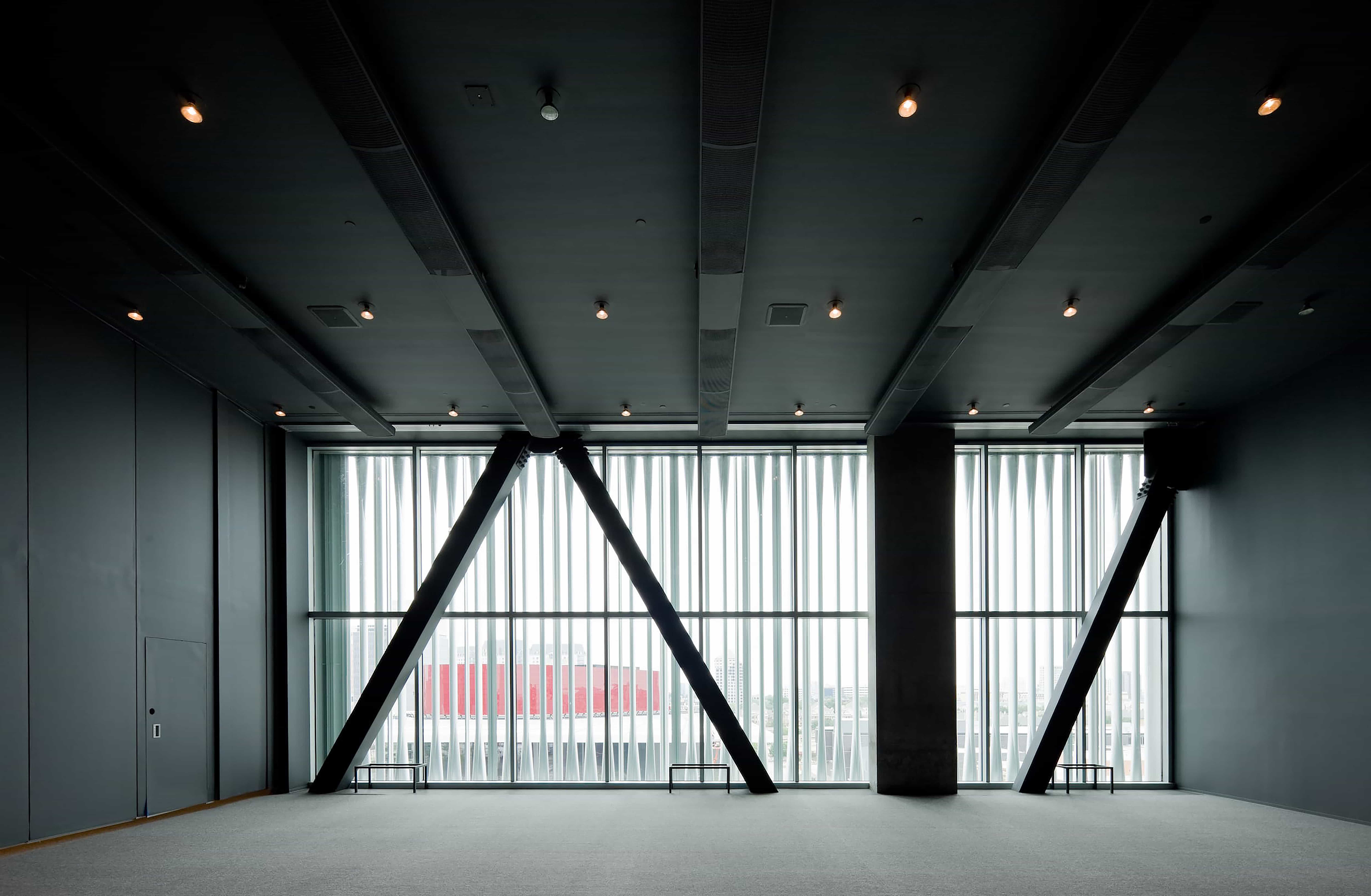
The patron’s lounge—which doubles as a second lobby—is connected to the small rehearsal room—which doubles as a black box theater. Both are looked upon by …
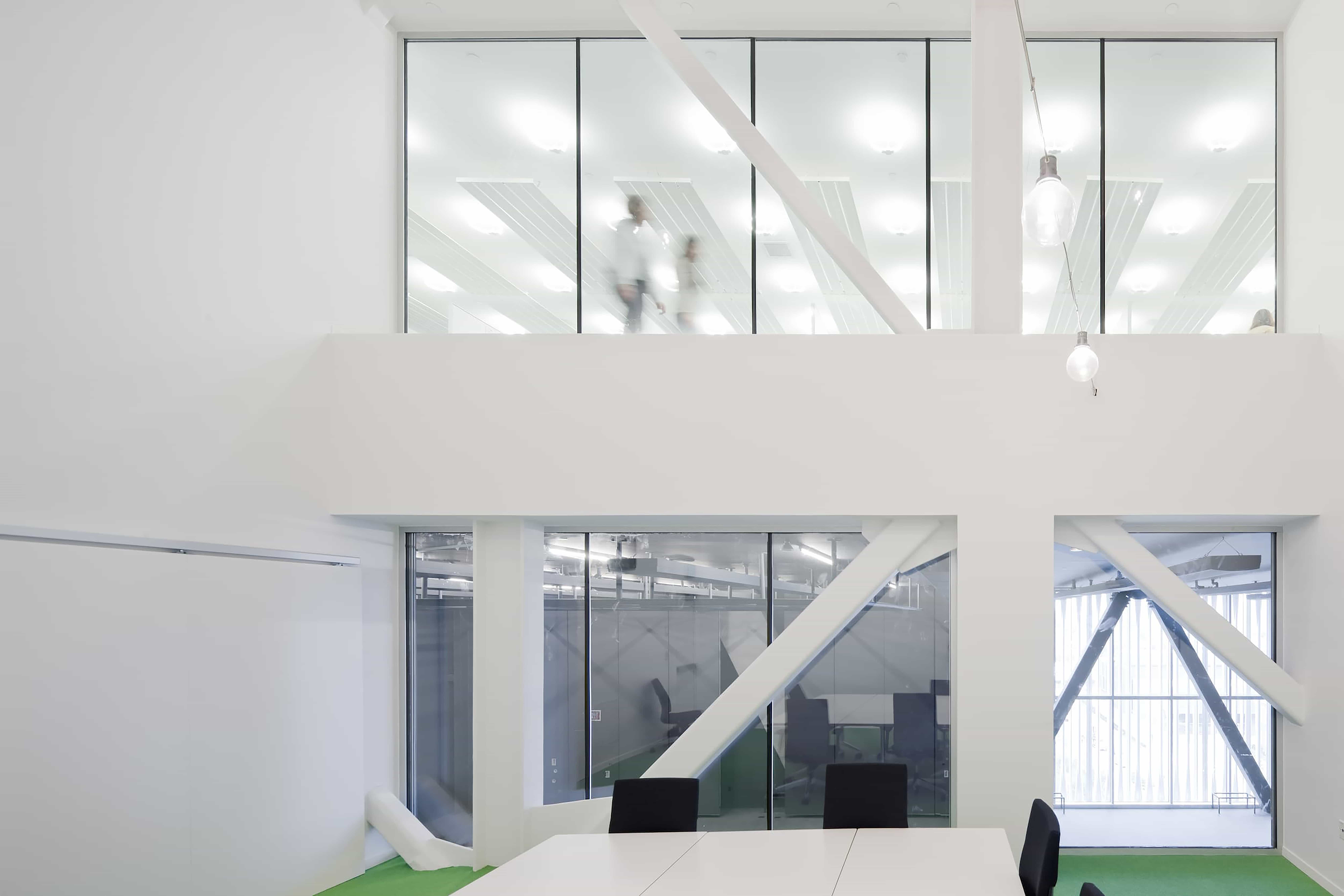
… a conference room that can serve as a control booth for the black box theater, and which is connected to the administrative offices above. The administrative offices adjoin …
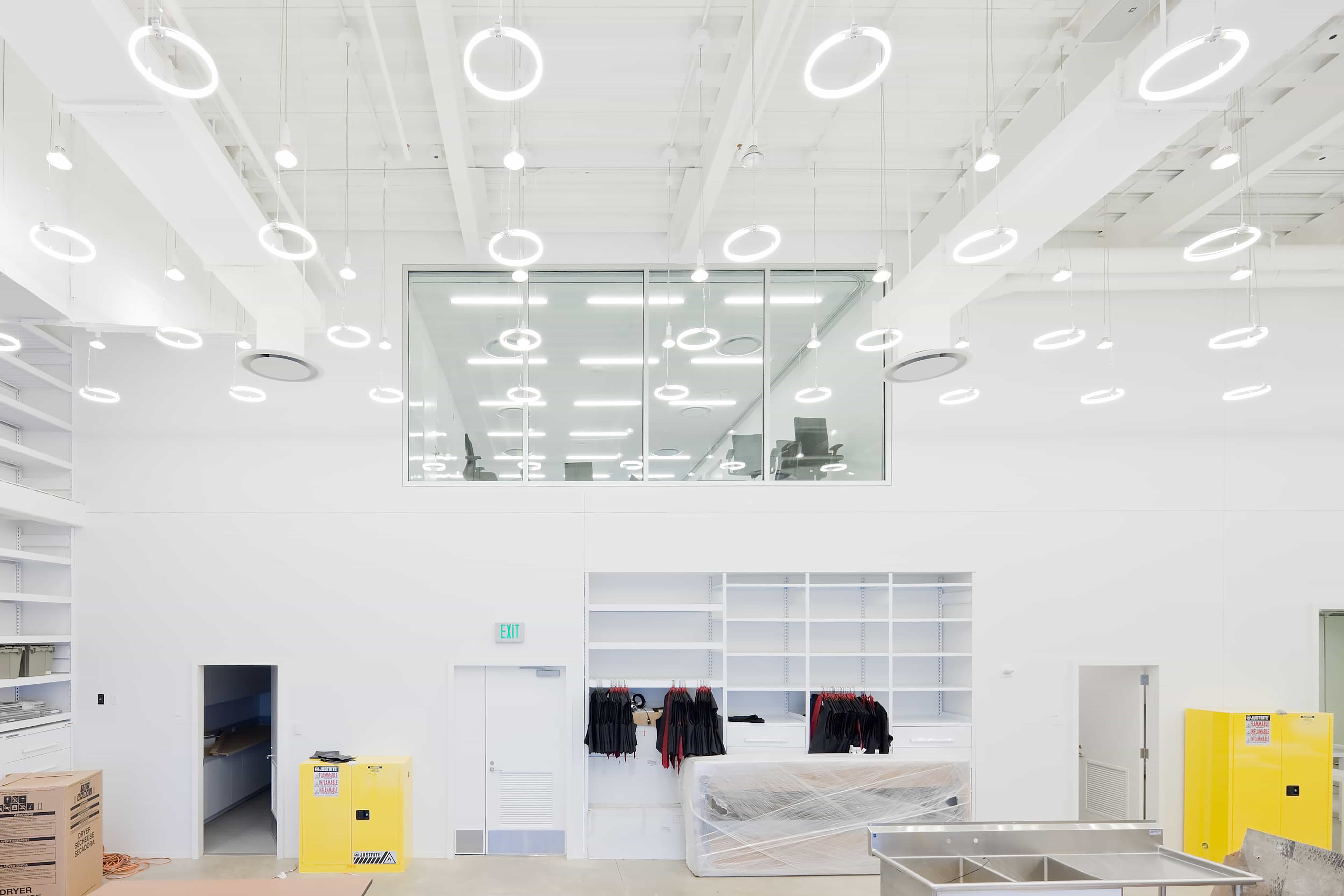
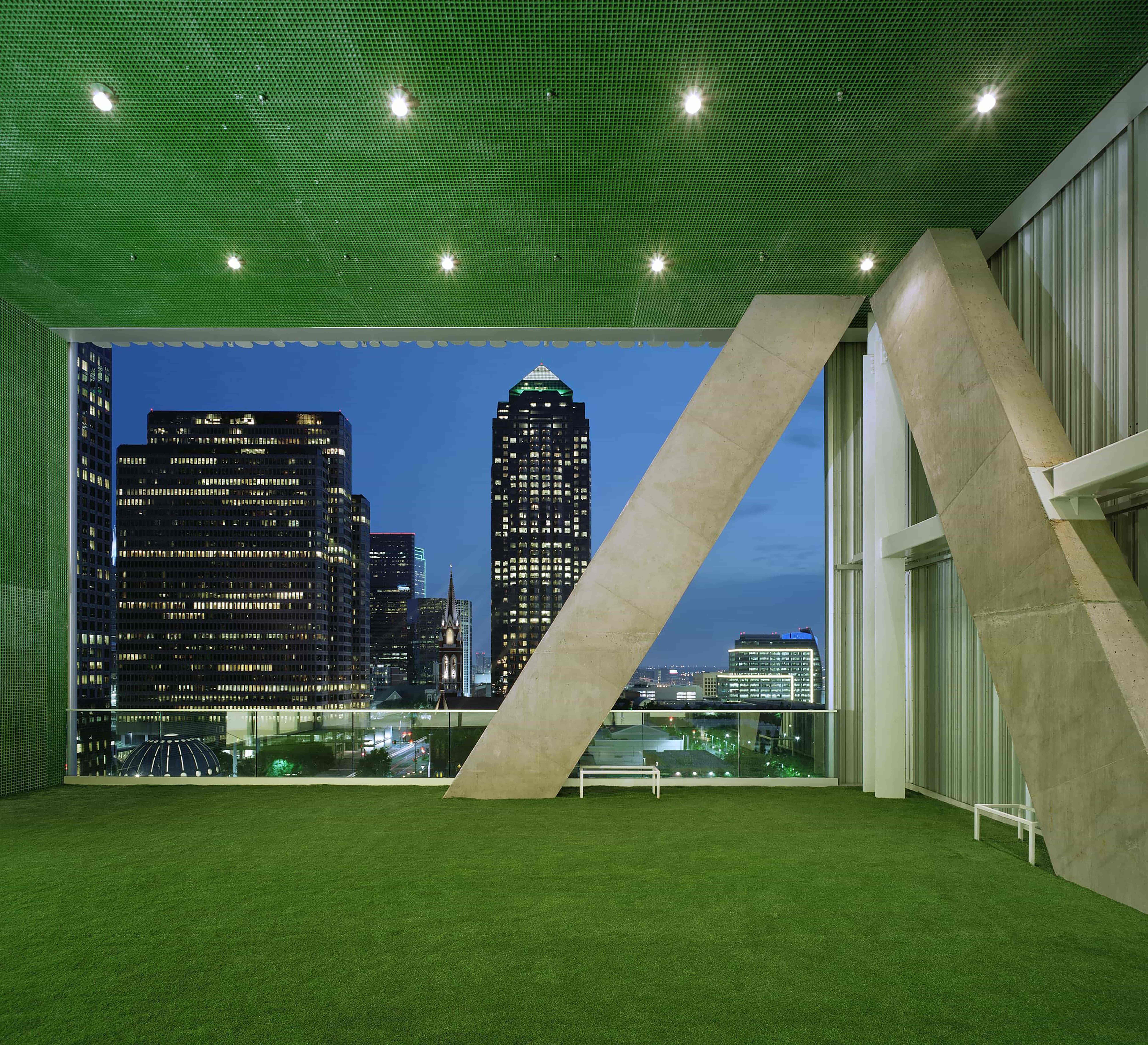
… an outdoor terrace on the 10th floor, that serves as an exterior break-out area for …
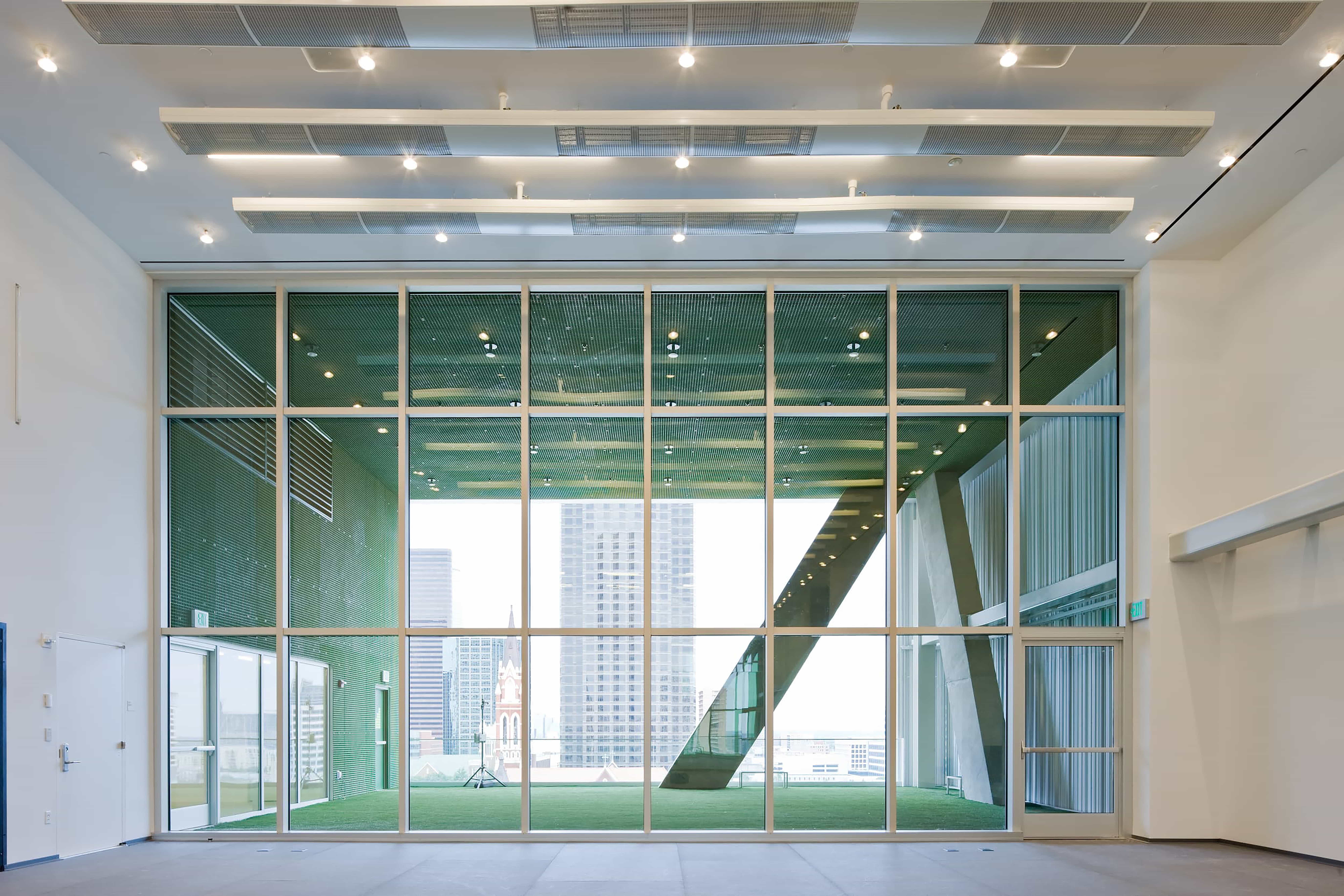
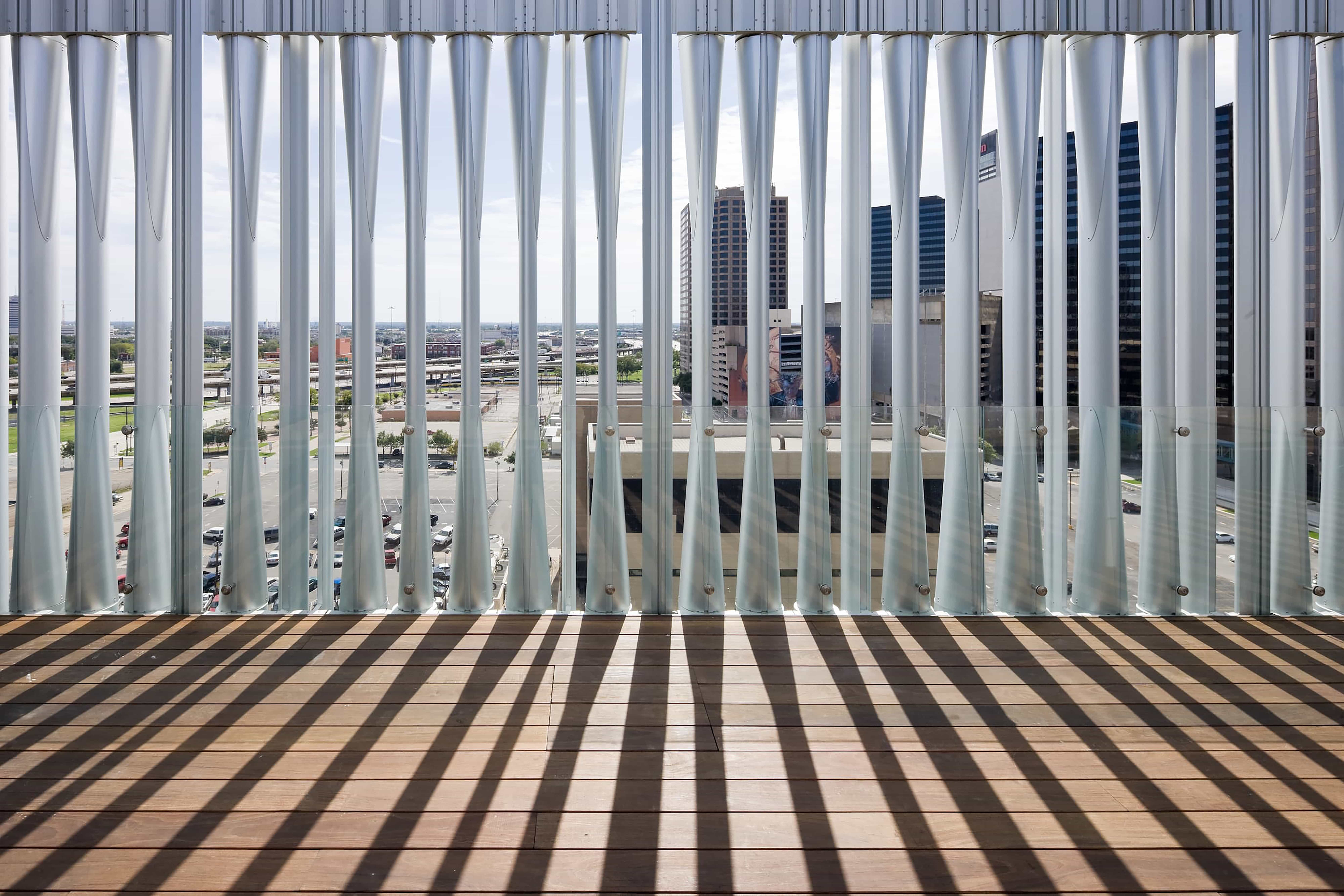
… a collective bar and terrace for the entire company (or public events) with panoramic views over the city.
Within the first four years of the opening of The Wyly, the Dallas Theater Center doubled its audience size, performed 25 of its 28 productions in unique configurations, and exported seven premieres to Broadway or national theaters. During the same period, its economic activity tripled from US$129 million to US$396 million, it produced US$114 million per year in event-related audience spending, and it generated US$43 million in local and state revenue. In 2017, the company won the Regional Theatre Tony Award. This tremendous success is attributed in part to The Wyly’s architecture.
Image credits: 1, 2, 7, 9, 10, 14, 16, 20, 21, 22, 24, 25 © Iwan Baan; 8, 13, 17, 18 © Theatre Projects; 15, 23 © Tim Hursley; all others © REX