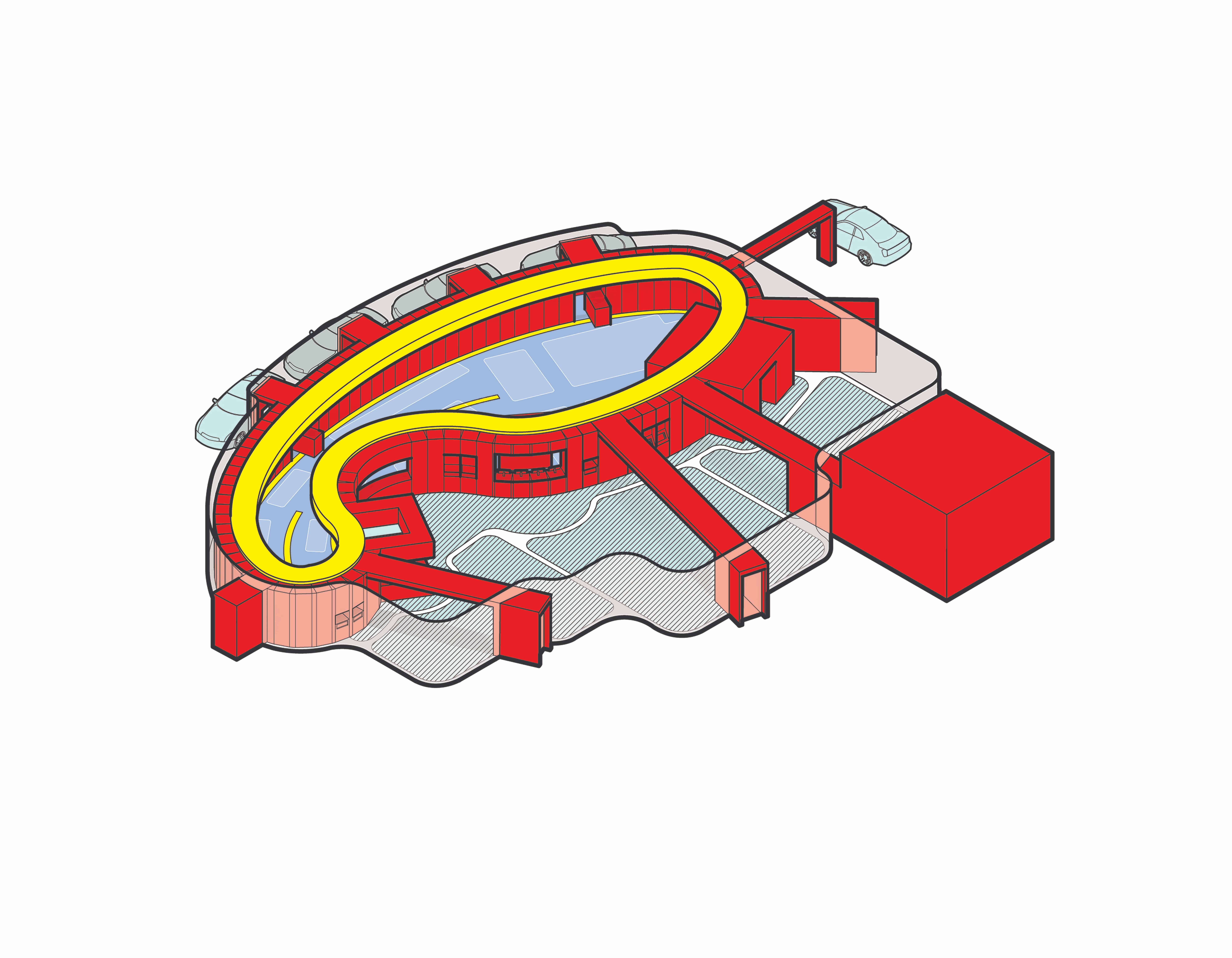
McDonald’s is a world-leader in efficient food procurement strategies.
McDonald’s can gain a huge competitive advantage by leveraging its expertise in food procurement to revolutionize procurement of its building assemblies. By centralizing its design intelligence and industrializing its building design, McDonald’s can use economies of scale to do what no other QSR can do.
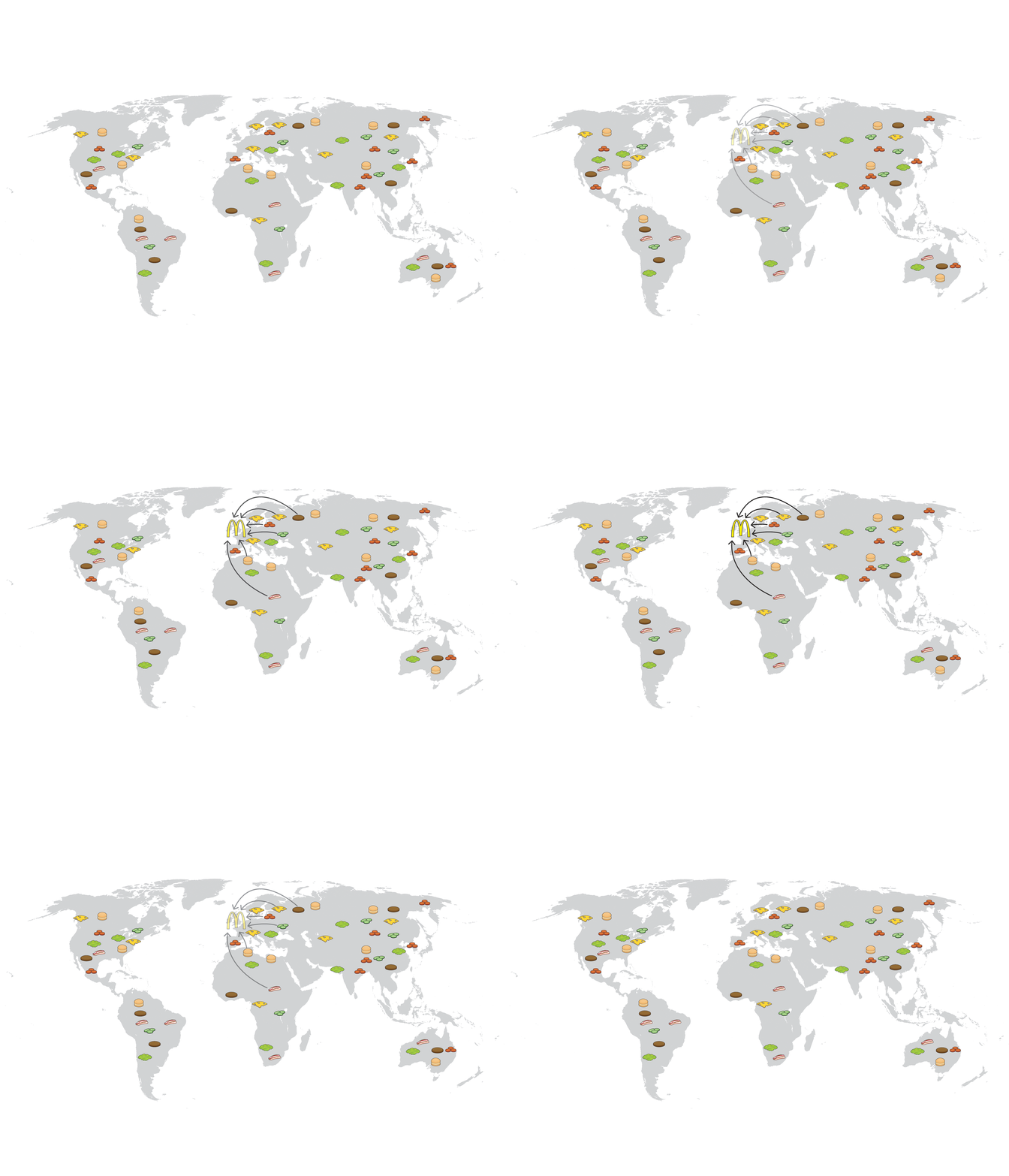
McDonald’s procures its food from competing, pre-certified suppliers who meet high quality standards.

The food is procured under a global strategy and assembled locally. A similar strategy can be applied to McDonald’s restaurants.
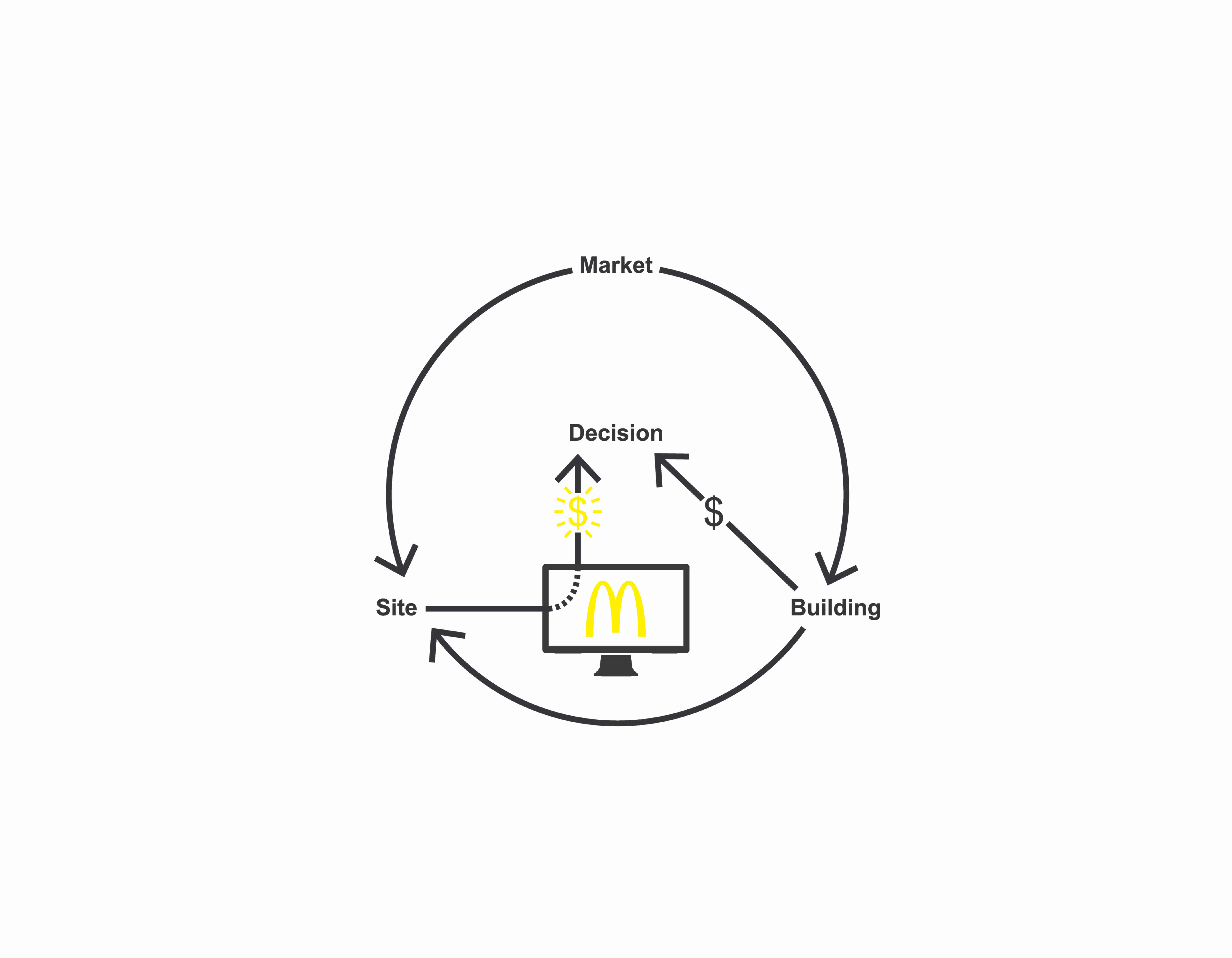
Currently, parametric computer modeling enables sites to be intelligently selected based on market demands and the fixed shape of the QSR box. While McDonald’s real estate assessment gives it a powerful edge over its competitors, many sites are still disregarded and many opportunities lost due to the box’s relatively immutable shape.
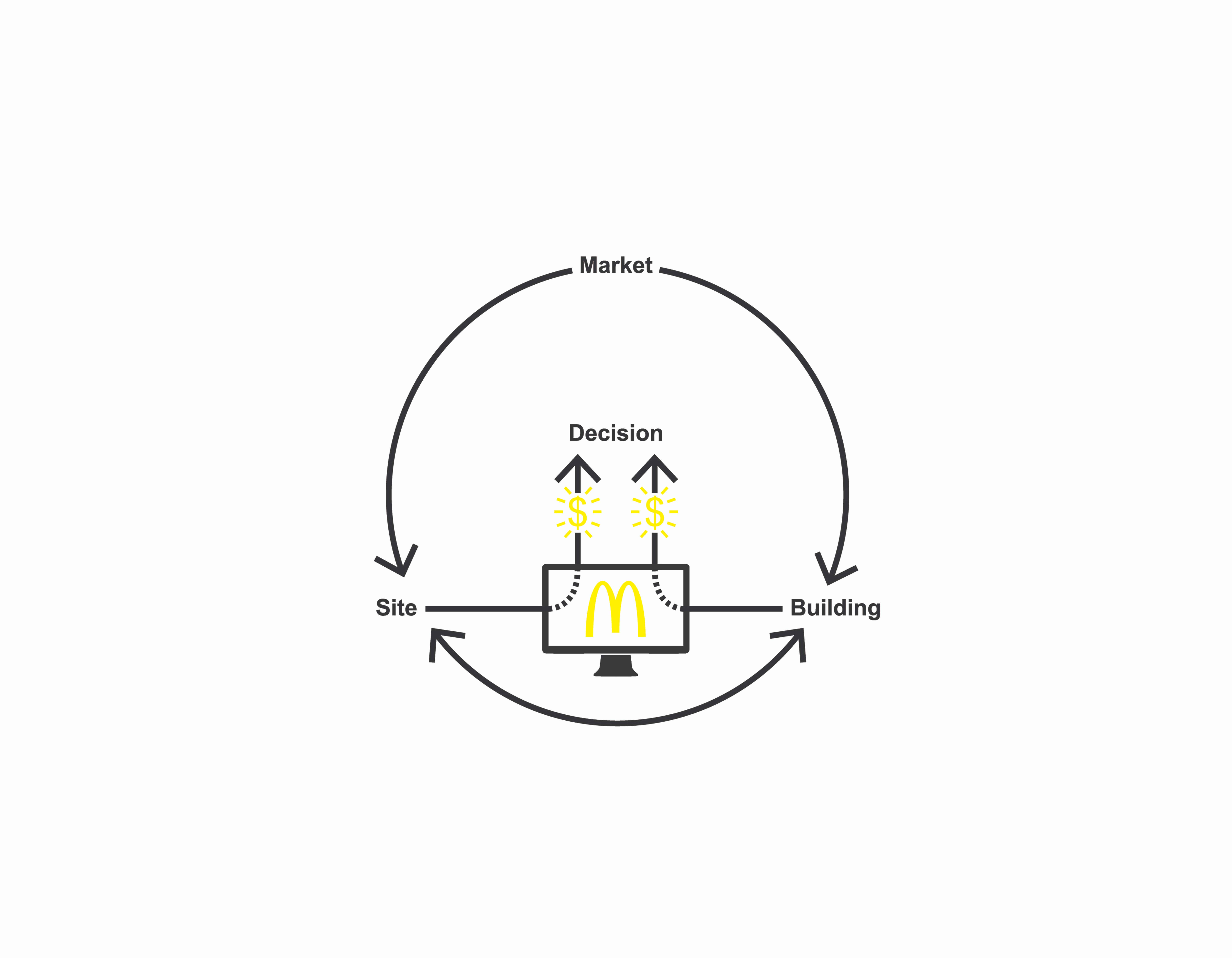
If the building’s shape were malleable, and the building and site can thereby be mutually optimized, a greater variety of sites can be assessed and different cost-to-income models evaluated.
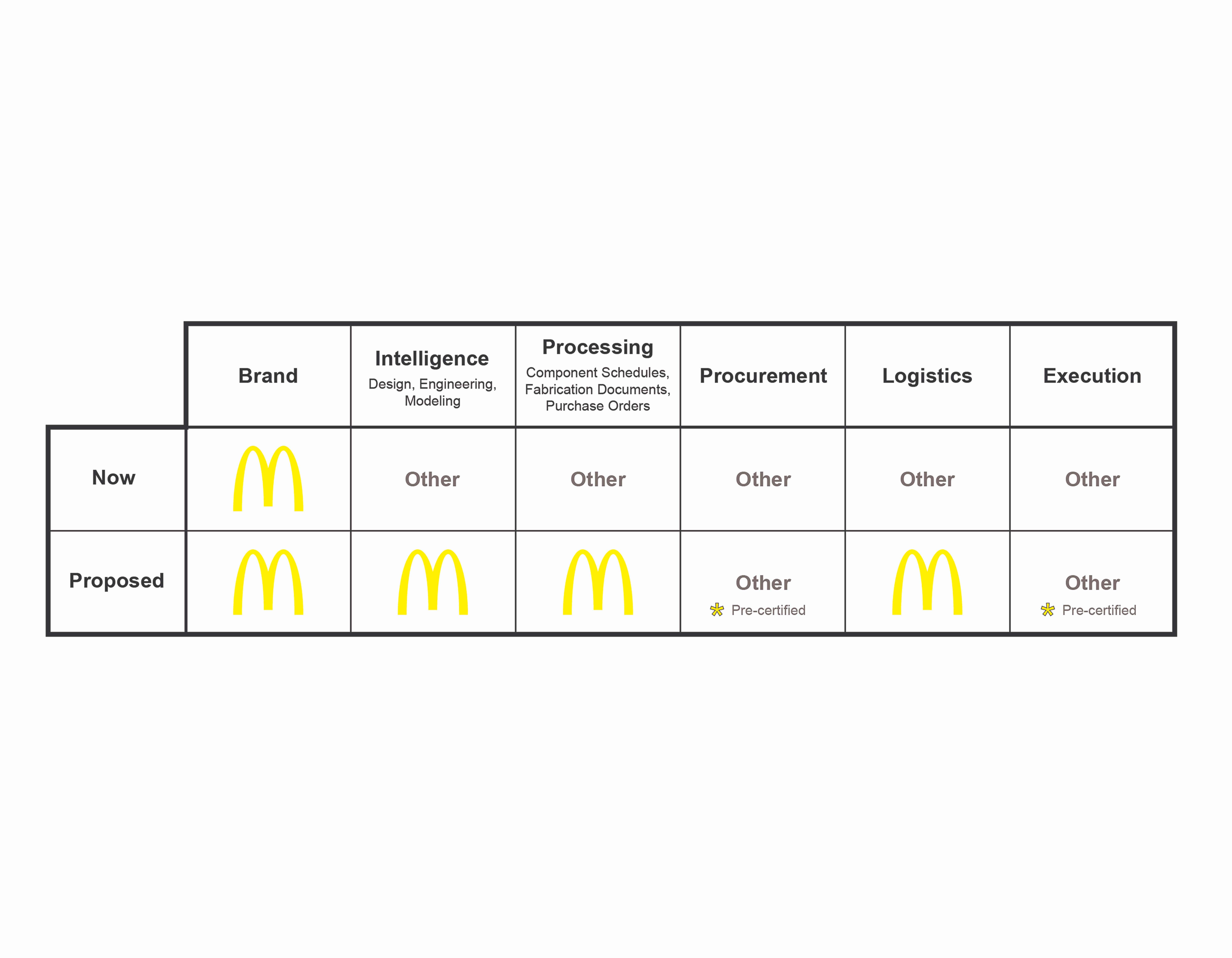
By applying McDonald’s food procurement strategies to the design and construction of its buildings, McDonald’s can reclaim control of the entire process.
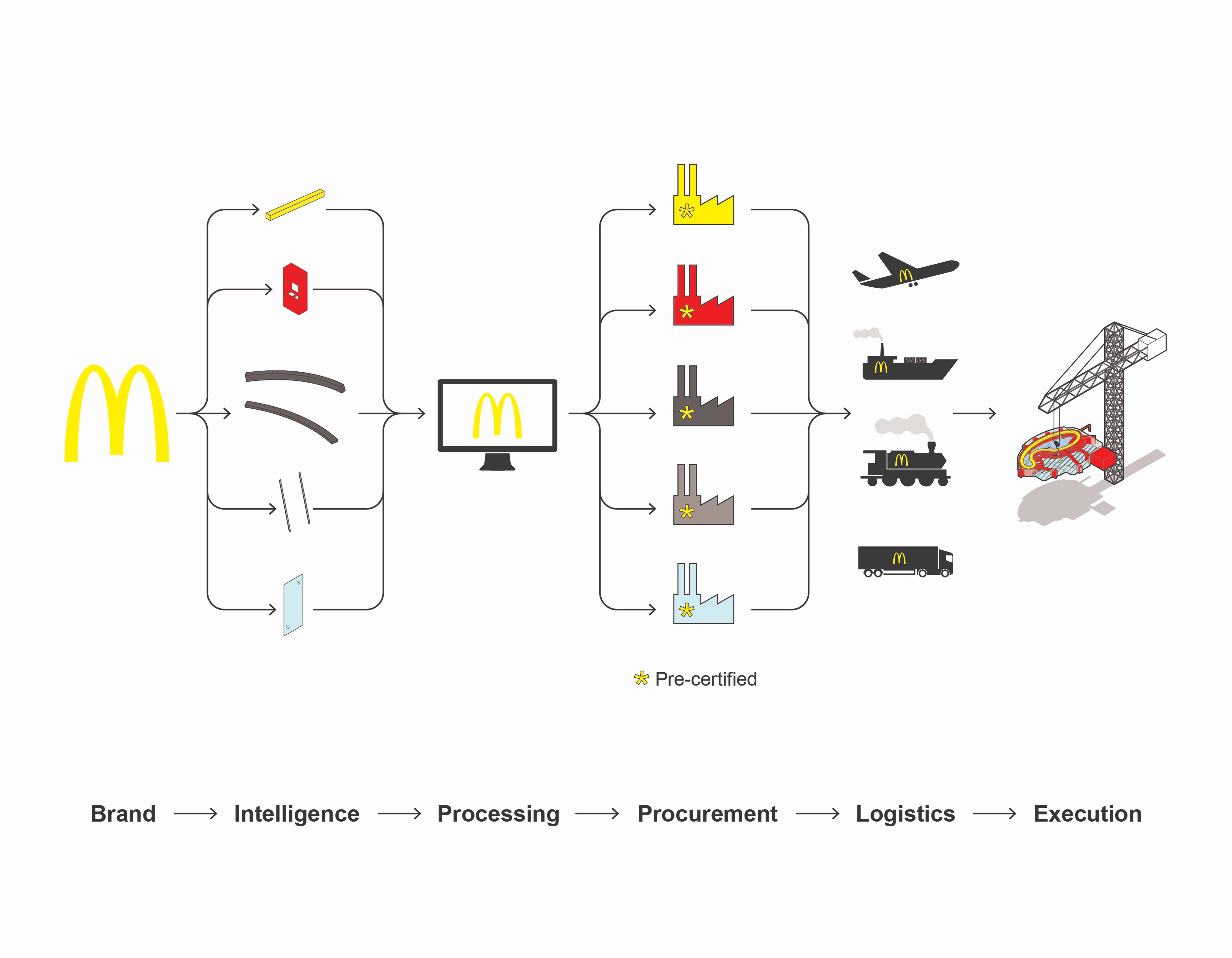
An industrialized design drives down costs associated with design, fabrication, time, and waste, while improving quality control. Value is thereby dramatically increased.
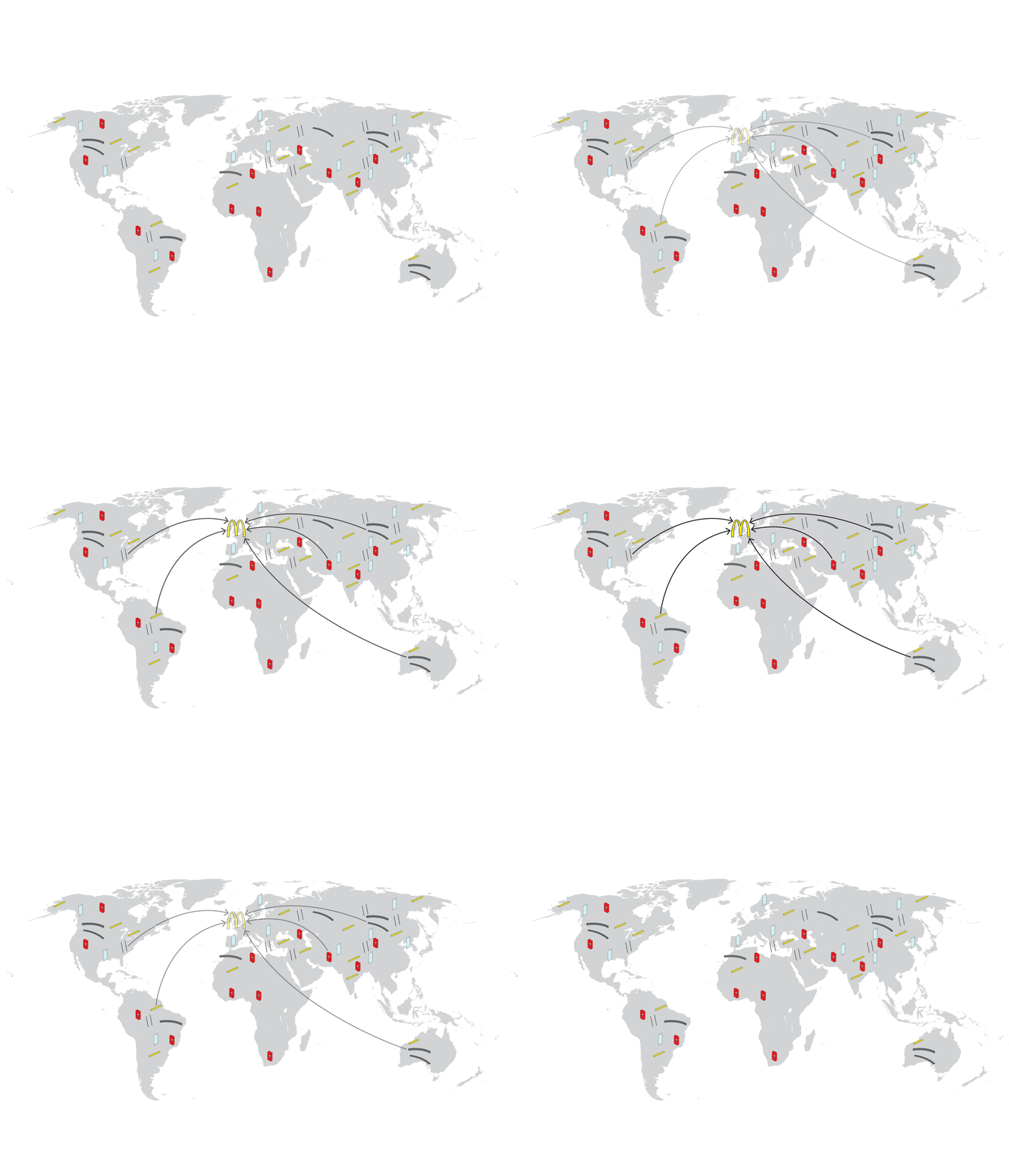
Global suppliers pre-certified by McDonald’s competitively produce the Future Restaurant Platform’s components in highly controlled environments. As the design intelligence is centered at McDonald’s, the spectrum of potential suppliers—producing to a high degree of specification—increases with time and demand, keeping cost low.